 Deutschland
 España
 France
 Italia
 United Kingdom

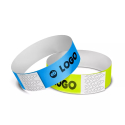
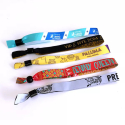
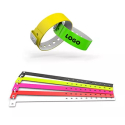
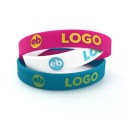
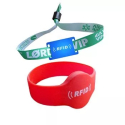
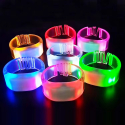
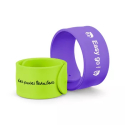
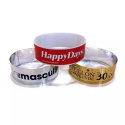
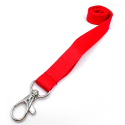
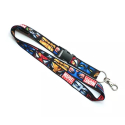
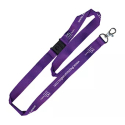
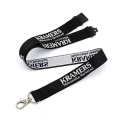

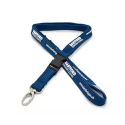
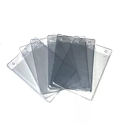





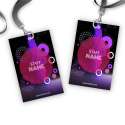
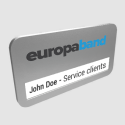
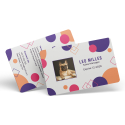

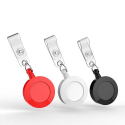
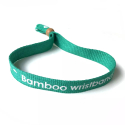


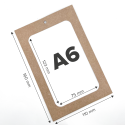
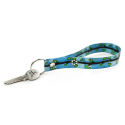

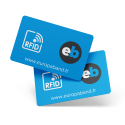
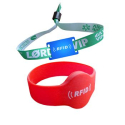
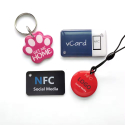

When it comes to organizing an event, choosing accessories such as event lanyards and the badge holder is crucial. These elements, often underestimated, play an important role in the success of your event. They are not only functional tools for identification and security, but also carriers of your brand image.
Choosing the right badge holder is essential to meet your specific needs and stay within your budget. A suitable badge holder not only guarantees the visibility and accessibility of the ID badge, but also contributes to participant comfort. There is a variety of models on the market, each with its own advantages and disadvantages.
In this article, we will explore the essential criteria to consider when choosing a badge holder. We will then compare the advantages and disadvantages of the main models available, to help you make an informed decision. Whether you are organizing a conference, a trade show, or a concert, finding the ideal badge holder is a key step to ensuring the success of your event.
Criteria for choosing a badge holder
The material
When choosing a badge holder, the material is an essential criterion to consider. Each material offers unique characteristics that can influence your decision based on your specific needs. Here is an overview of the most common materials:
- Plastic : This material is the most common for badge holders. It stands out for its resistance to impacts and moisture, and offers a wide variety of colors and shapes. Plastic badge holders come in two main types: rigid models, which are sturdy and durable, and flexible models, which are lighter and more flexible but also more prone to scratches.
- Metal : Metal is synonymous with elegance and prestige. It is highly resistant to wear and corrosion, offering a shiny and refined appearance. Among metal badge holders, you will find magnetic models, which are practical and secure, as well as clip or pin versions, which are simpler but potentially less durable.
- Wood : For an eco-friendly and original approach, wood is an excellent choice. It is durable and offers a natural and warm look. Wooden badge holders, such as those made from bamboo, cork, or recycled wood, are perfect for events that are mindful of their environmental impact.
The shape
The shape of the badge holder is another important criterion. Each shape has its advantages and disadvantages in terms of visibility, ergonomics, and aesthetics:
- Rectangular : This is the most classic shape. It offers excellent visibility for the name and logo and allows for a large customization area. It is suitable for standard-size or business card–size badges, and can be horizontal or vertical.
- Oval : This shape is both original and elegant. It follows the shape of the neck, offering good ergonomics, and softens the edges for a pleasant aesthetic. It is ideal for small to medium-sized badges.
- Round : Modern and dynamic, the round shape is perfect for highlighting the logo. It stands out easily from other shapes and is suitable for small to medium-sized badges.
- Square : Trendy and stylish, the square shape offers originality and symmetry. It is suitable for small to medium-sized badges and can be oriented horizontally or vertically.
The attachment system
The attachment system is a crucial element for the comfort and practicality of the badge holder:
- Lanyard : Simple and common, the lanyard allows the badge to be worn at the desired height and offers good security. It is adaptable to all badge sizes and shapes and can be customized.
- Clip : The clip offers discretion and flexibility. It is ideal for small or standard-shaped badges and can be combined with a lanyard for greater comfort.
- Magnet : For maximum discretion, the magnet is perfect. It is secure and requires neither a lanyard nor a clip. Suitable for small badges, it can also be combined with a lanyard.
- Pin : Simple and economical, the pin is suitable for small badges. It can be combined with a lanyard for greater comfort.

By taking these criteria into account, you will be able to choose the badge holder best suited to your needs, combining functionality and aesthetics.
Advantages and disadvantages of the main badge holder models
The Rigid Badge Holder
The rigid badge holder, made of hard plastic, is designed to provide optimal protection against impacts, moisture, and dust. This type of badge holder is ideal for long-term use, such as at trade shows, conventions, training sessions, or for permanent badges such as ID or access cards.
Advantages :
- Outstanding resistance : Its sturdiness makes it resistant to impacts, moisture, and dust.
- Durability : Its longevity allows it to be reused for various events.
- Clear visibility : The transparent and smooth design ensures excellent visibility of the badge.
- Variety : Available in a wide range of colors and shapes to suit different styles and badge formats.
- Customization : Possibility to add a logo or text for a personalized touch.
Disadvantages :
- Weight : Heavier than other types of badge holders.
- Bulk : Can be bulkier, which may bother some users.
- Cost : Generally more expensive, which can be an obstacle for limited budgets.
- Environmental impact : The plastic used is difficult to recycle, which raises environmental concerns.
- Rigidity : Can break because it is not flexible

The Flexible Badge Holder
The flexible badge holder, made of flexible plastic, easily adapts to the shape of the badge, making insertion and removal easier. This type is often used for short-term events, such as seminars, meetings, workshops, or for temporary badges like visitor or guest badges.
Advantages :
- Lightweight : Less heavy than other models, reducing user fatigue.
- Compact : Its compact design improves comfort during use.
- Affordable : More budget-friendly, allowing for cost savings.
- Ease of use : Easy insertion and removal of the badge.
- Customization with insert : Allows the name or logo on the badge to be changed as needed.
Disadvantages :
- Lower resistance : Less robust against impacts, moisture, and dust.
- Shorter lifespan : Less durable, limiting its reusability.
- Reduced visibility : Flexible plastic can wrinkle or get dirty.
- Limited choice : Fewer color and shape options available.
- Environmental impact : As with the rigid model, the plastic is difficult to recycle.

The Retractable Badge Holder
The retractable badge holder incorporates a spring-loaded mechanism that allows the badge to be pulled out and released without detaching it. This model is particularly suitable for badges that need to be presented frequently, such as access or payment badges.
Advantages :
- Practicality : Facilitates identity checks and transactions.
- Security : Reduces the risk of loss or snagging.
- Customization : Possibility of printing with a logo or text.
Disadvantages :
- Weight and bulk : Heavier and bulkier than other models.
- Cost : More expensive, which can limit accessibility.
- Lifespan : The spring mechanism can wear out or break.
- Environmental impact : Contains metal and plastic parts that are difficult to recycle.
The Clip Badge Holder
The clip badge holder easily attaches to clothing thanks to a metal or plastic clip that snaps or screws into place. This type of badge holder is commonly used for badges that are presented less frequently, such as name or visitor badges.
Advantages :
- Affordable cost : Very economical, ideal for tight budgets.
- Ease of use : Easy to attach, it does not require a lanyard or magnet.
- Discretion : Its small size and fastening system make it discreet.
- Universal compatibility : Suitable for all types of badges, regardless of their size, shape, or material.
Disadvantages :
- Limited security : Risk of detachment or loss.
- Reduced visibility : May flip over or be hidden, reducing badge effectiveness.
- Limited customization : Cannot be printed, which reduces personalization options.
- Environmental impact : Contains metal and plastic parts that are difficult to recycle.
The Magnetic Badge Holder
The magnetic badge holder attaches to clothing using two magnets, one placed on the back of the badge holder and the other inside the garment. This type is ideal for badges that require frequent presentation, such as access or payment badges.
Advantages :
- Exceptional discretion : Requires neither a lanyard nor a clip, avoiding piercing or damaging clothing.
- Optimal security : Risk of detachment is almost nonexistent.
- Perfect visibility : Does not flip over, ensuring good badge visibility.
- Customization : Possibility of printing with a logo or text.
Disadvantages :
- High cost : More expensive than other types of badge holders.
- Limited lifespan : Magnets can lose their magnetism or break.
- Limited compatibility : Less effective with certain types of clothing.
- Environmental impact : Like other models, it contains elements that are difficult to recycle.
We recommend this other page: