 Deutschland
 España
 France
 Italia
 United Kingdom

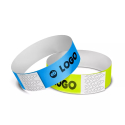
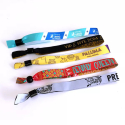
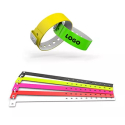
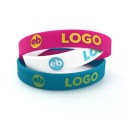
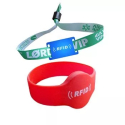
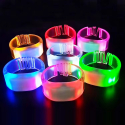
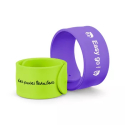
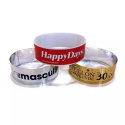
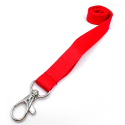
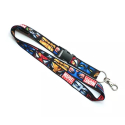
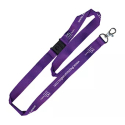
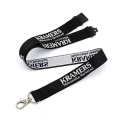

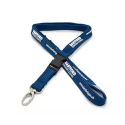
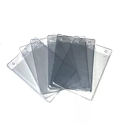
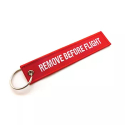





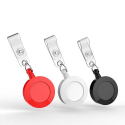
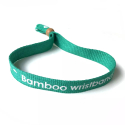

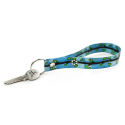
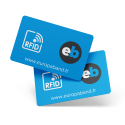
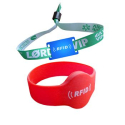

The lanyards, or neck straps, are practical and versatile accessories, widely used at various events and in professional settings. But did you know that there is a wide variety of lanyard types, each suited to specific needs? In this article, we will explore the different styles of lanyards, taking into account their size and the item they are designed to carry.
A lanyard, in its simplest form, is a fabric strap worn around the neck, on which items such as name badges, keys, or phones can be attached. They are particularly useful at conferences, trade shows, or in work environments where identification and security are essential.
We will first examine the different lanyards according to their style. Some are simple and functional, while others are designed with more elaborate patterns, reflecting a company’s brand image or the spirit of an event. Next, we will discuss lanyards based on their size, a crucial aspect to ensure comfort and practicality. Finally, we will look at lanyards according to the item attached, as each type offers unique features suited to specific uses.
By guiding you through these different categories, our goal is to provide you with complete and useful information to help you choose the lanyard best suited to your needs. Whether you are organizing an event, representing your company, or simply looking for a practical solution to carry your essential items, this article will help you make an informed choice.
The different types of lanyards by style
In the world of event accessories, lanyards stand out for their diversity of styles, each meeting specific needs and preferences. Here you will discover the four main lanyard styles: tubular, flat, woven, and cord, exploring their shapes, widths, and printing options.
The tubular lanyard is the very definition of simplicity and affordability. Made from sewn polyester tubes, it features a round shape and a width of 10, 12, or 15 mm. This style is ideal for blank lanyards or basic designs requiring simple printing in one or two colors.

Let’s move on to the flat lanyard, the most common and versatile of all styles. Made from flat polyester strips, it offers a variety of widths ranging from 10 to 25 mm. This flexibility makes it perfect for custom printed lanyards with multi-color designs, achieved through screen printed lanyards or dye sublimation lanyards.
The woven lanyard stands out for its elegance and durability. Made from finely woven nylon threads, it has an oval shape and a width of 15 mm. This style is particularly suited for high-end branded lanyards, with raised or embroidered designs that highlight logos and text.
Finally, the cord lanyard is the thinnest and most discreet of the four. Made from twisted cotton or polyester threads, it has a round shape and a width of only 5 mm. This style is suitable for simple promotional lanyards, where heat-transfer printing blends seamlessly into the strap.
Each lanyard style offers unique advantages, whether in terms of cost, functionality, or aesthetics. By understanding these differences, you can choose the lanyard that best fits your needs, whether you are organizing an event, representing your company, or simply looking for a practical accessory solution.
The different types of lanyards by size
The size of a lanyard, including its length and width, plays a crucial role in user comfort and visual impact. In this section, we will explore the different lanyard sizes and their practical and aesthetic implications.
The standard length of a lanyard is generally 36 inches, or about 91 cm. This dimension allows the attached item to hang comfortably at chest level, making it easy to access and see. However, it is important to note that if a lanyard is too short, it can be difficult to put on or take off. Conversely, a lanyard that is too long can get caught or restrict movement.
Regarding width, it varies depending on the lanyard: 10, 15, 20, or 25 mm. A thinner width is often chosen for its discreet look and lower cost, although it offers less space for printing. On the other hand, a wider lanyard provides better visibility and more room for an eye-catching design or text, but it is also more expensive and requires more ink for printing.
It is also possible to order lanyards in a custom size, tailored to the specific needs of each user. This option should be considered based on the target audience, the type of event, and the available budget.
To help you compare, here is a summary table:
|
Lanyard size |
Advantages |
Disadvantages |
|
Standard length (36 inches) |
Practical and comfortable |
May not suit all body types |
|
Custom length |
Tailored to specific needs |
May be uncomfortable or unsafe |
|
Narrow width (3/8 inch) |
Discreet and cost-effective |
Offers less space for printing |
|
Wide width (5/8 inch) |
Visible and attractive |
Costs more and uses more ink |
The size of a lanyard is an important factor to consider to ensure both user comfort and effective visual communication. It is essential to find the right balance between practicality, aesthetics, and budget.
The different types of lanyards by the item to attach
Lanyards, these practical accessories worn around the neck, are designed to hold a variety of items, each meeting specific needs depending on usage, context, and target audience. In this section, we will explore how the choice of the item to attach influences the lanyard design, particularly in terms of the attachment.
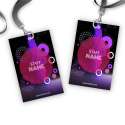
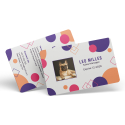
Items commonly attached to lanyards include name badges, keys, PVC ID cards, phones, pens, and glasses. For example, in a professional setting, a lanyard can be used to carry a name badge or a PVC ID card, making identification and interactions easier. For personal use, it may be a way to keep keys or a phone within reach. In a promotional context, a lanyard can be used to attach a pen or a keychain.

The type of attachment used is essential to ensure the lanyard’s functionality. Attachments vary in shape, material, function, and level of security. Here are a few examples:
- Carabiner hook : Made of metal, hook-shaped, ideal for easy and secure fastening.
- Alligator clip : Made of plastic, suitable for attaching a name badge or a punched card.
- Ring : Made of metal, circular in shape, perfect for keys or keychains.
- Clip : Made of plastic, designed for a pen or glasses.
- Snap button : Made of plastic, used for a phone or a camera.
Each attachment has its own advantages and disadvantages, which should be considered depending on the item to attach:
|
Attachment type |
Shape |
Material |
Function |
Security |
|
Carabiner hook |
Hook |
Metal |
Attach easily and securely |
Good |
|
Alligator clip |
Clip |
Plastic |
Attach a name badge or card |
Medium |
|
Ring |
Circle |
Metal |
Attach keys |
Medium |
|
Clip |
Clip |
Plastic |
Attach a pen or glasses |
Low |
|
Snap button |
Button |
Plastic |
Attach a phone |
Low |
Choosing the right attachment is crucial to meet the specific needs of the item to be attached. It is important to consider ease of use, strength, aesthetics, as well as cost, weight, and compatibility with the lanyard. Attachment safety is also an important aspect to ensure both the protection of the attached item and the user’s comfort.
We recommend these other pages:
- What is a double carabiner lanyard?
- What is a badge holder?
- What is the purpose of a lanyard breakaway attachment?
- What is the use of a detachable clip for a lanyard?