 Deutschland
 España
 France
 Italia
 United Kingdom

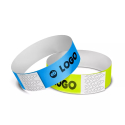
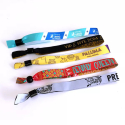
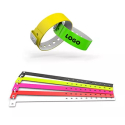
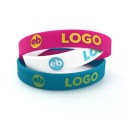






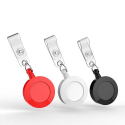
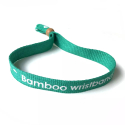
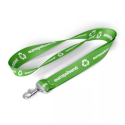
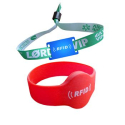
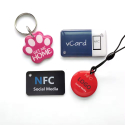
When it comes to choosing an event lanyard for an event, the material is a crucial aspect to consider. This choice is not only a matter of aesthetics, but also of functionality and comfort. Each material offers specific benefits and meets different needs, whether in terms of durability, comfort, or adaptability to various conditions of use.
In this article, we will explore the different materials used for event lanyards. Whether you are organizing a trade show, a concert, or simply looking to enhance your event experience, understanding the available material options is essential. We will cover the characteristics of each type of material, their advantages and disadvantages, and how to choose the most suitable one for your event.
As you continue reading, you will discover the most commonly used materials for lanyards, from classic polyester lanyards or nylon lanyards to more eco-friendly options. This knowledge will help you make an informed choice, ensuring that your event runs with the style and functionality you desire.
Synthetic materials
Synthetic materials, such as polyester, nylon, and polypropylene, are popular choices for event lanyards due to their unique characteristics and versatility.
The polyester is the most commonly used. Its strength, durability, and ease of printing make it a cost-effective choice. It offers a soft feel and a smooth appearance, and can be woven in different ways to create various visual effects. Polyester can also be blended with other fibers such as cotton or bamboo to improve comfort and breathability.
The nylon, similar in appearance to polyester, stands out for its shine and flexibility. More resistant and elastic, it is ideal for high-quality lanyards requiring precise and long-lasting printing. However, it is more expensive than polyester and less eco-friendly.
The polypropylene is characterized by its light weight and water resistance, making it suitable for outdoor or sporting events. It is recyclable and economical, but offers a less pleasant feel and lower print quality compared to polyester and nylon.
To help you make your choice, here is a comparison table of synthetic materials:
|
Material |
Strength |
Durability |
Cost |
Print quality |
Comfort |
Eco-friendliness |
|
Polyester |
Very good |
Very good |
Low |
Good |
Good |
Medium |
|
Nylon |
Excellent |
Excellent |
High |
Excellent |
Good |
Low |
|
Polypropylene |
Good |
Good |
Low |
Medium |
Medium |
Good |
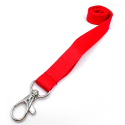
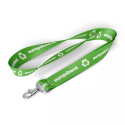
To illustrate these materials, here is a polyester lanyard, offering durability and ease of printing:

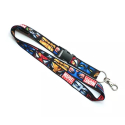
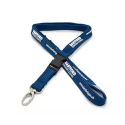
A nylon lanyard, ideal for high-quality printing and excellent strength:

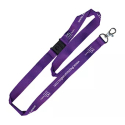
A polypropylene lanyard, lightweight and suitable for outdoor activities:

By choosing among these synthetic materials, you will find the perfect balance between quality, cost, and functionality for your event lanyard.
Natural materials for event lanyards
When choosing a natural material for your event lanyard, it is essential to understand the characteristics of each option. Here is a comparative guide to help you.
Cotton
Cotton is a popular choice for its softness, comfort, and breathability. It is hypoallergenic, easy to print, and easy to dye. However, it is less resistant than synthetic materials and can wrinkle easily. Choose organic cotton for a more eco-friendly option.
Bamboo
Bamboo is gaining popularity thanks to its light weight, absorbency, and antibacterial properties. It is eco-friendly, growing quickly without pesticides or irrigation. Its cost is higher than cotton and it is less easy to print, but it can be blended with synthetic fibers to improve strength.
Silk
Silk offers a luxurious and refined look. It is soft, shiny, lightweight, and thermoregulating. Easy to print and dye, it is nevertheless fragile and expensive. It requires delicate care and can be allergenic for some people.
Wool
Wool is ideal for a warm and comfortable feel. It is soft, insulating, strong, and elastic. Eco-friendly, biodegradable, and renewable, it is however more suitable for winter and more difficult to print and dye.
|
Material |
Advantages |
Disadvantages |
|
Cotton |
Soft, comfortable, breathable, hypoallergenic, easy to print |
Less resistant, wrinkles easily, less durable |
|
Bamboo |
Soft, lightweight, absorbent, antibacterial, eco-friendly |
More expensive, harder to print, often blended with synthetic fibers |
|
Silk |
Luxurious, soft, shiny, lightweight, thermoregulating, easy to print |
Fragile, expensive, delicate care, potentially allergenic |
|
Wool |
Soft, insulating, strong, elastic, eco-friendly |
More suitable for winter, difficult to print and dye, can be blended with synthetic fibers |


Each natural material offers unique advantages and disadvantages. Your choice will depend on your specific needs, the desired aesthetic, and environmental considerations.
How to choose the material for your event lanyard?
Choosing the material for an event lanyard is crucial and must be adapted to each situation. Here are some tips to guide you in this decision.
The type of event
Consider the nature of your event. For a one-time event such as a trade show, polyester lanyards or polypropylene lanyards, which are economical and easy to print, are ideal. For recurring events, opt for durable materials such as nylon lanyards or cotton. For outdoor events, prioritize resistant materials like polypropylene or bamboo. For premium occasions, silk or wool add a touch of luxury.
Budget
Cost is a determining factor. Polyester and polypropylene are affordable but may lead to higher printing costs. Silk and wool, which are more expensive, offer superior print quality. Compare offers and request quotes to find the best value for money.
Target audience
Adapt the material to your audience. For a young and eco-conscious audience, bamboo or organic cotton are perfect. For a professional audience, nylon or silk add a touch of elegance. For an audience sensitive to ethical issues, choose cotton or wool.
The message to convey
The material should match your brand message. For an informational message, choose a material that allows clear printing, such as polyester. For a promotional message, silk or satin attract attention. To reinforce group identity, wool or woven lanyards are appropriate.
Desired design
The design of your event lanyard also influences the choice of material. For a simple design, polyester or nylon are suitable. For a more complex design, choose materials with more texture. For a colorful design, nylon or silk ensure long-lasting printing.
Desired comfort
Comfort is essential. For a soft feel, cotton or silk are recommended. For light weight, polypropylene or bamboo are ideal. For breathability, cotton or bamboo are perfect. For thermoregulation, silk or wool are the best choices.
The choice of material for your event lanyard depends on many factors. There is no universal material, but a material suited to each need. For a personalized quote and advice tailored to your project, feel free to contact us.
We recommend these other pages:
- How to choose the right lanyard size?
- What are the benefits of event lanyards with a safety breakaway?
- Event lanyards: Why are they essential for professionals?
- What is the cost of a custom lanyard?
- Express event lanyards: how does it work?
- Event lanyards: which types of attachments should you choose?
- What is an eco-friendly lanyard and why choose one?
- What is the best lanyard?