 Deutschland
 España
 France
 Italia
 United Kingdom

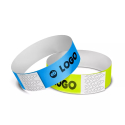
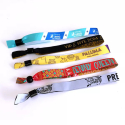
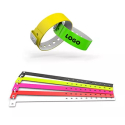
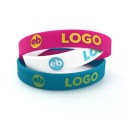
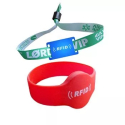
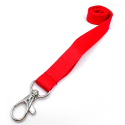
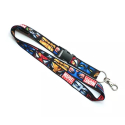
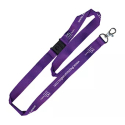
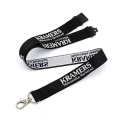

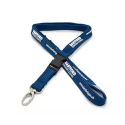





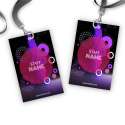
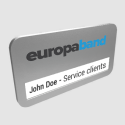
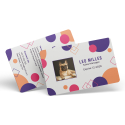

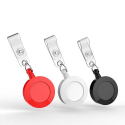
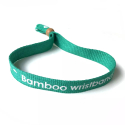


Custom lanyards are not just practical accessories, they reflect your company or your event. When you are looking to leave a memorable impression, knowing how to customize promotional lanyards becomes crucial. This customization plays an essential role in your brand’s impact at a trade show, in strengthening the sense of belonging within your team, or in welcoming your guests at a special event. In this article, we will immerse you in the exciting world of printing methods for custom lanyards. Whether you intend to promote your brand at a trade show, strengthen team spirit within your organization, or welcome your guests at a special event, the printing options we will explore open up a wide range of creative possibilities. You will discover how each printing method offers a unique approach to making your custom lanyards distinctive and memorable. Get ready to dive into this personalization journey and explore the countless ways you can bring your vision to life with custom lanyards.
What is dye sublimation printing?
Dye sublimation printing is a premium method that allows complex and colorful designs to be reproduced on polyester lanyards. This printing technique offers an ideal solution for professional events, trade shows, conferences, or festivals, where customizing your lanyards is crucial to delivering a strong and original message.

The principle of dye sublimation printing is fairly simple. It involves transferring an image printed on special paper onto the fabric using a heat press. Under the effect of heat, the inks on the paper turn into gas, penetrating deeply into the fibers of the fabric. This process makes the design permanent and resistant to washing, friction, and UV rays, ensuring exceptional durability.
Dye sublimation printing offers several advantages, but also a few disadvantages to consider:
Advantages :
- Accurate and long-lasting results : Colors are vibrant, and details remain sharp, even for the most complex designs. The design does not fade over time.
- No color limits : You can choose from an unlimited color palette at no additional cost. Gradients, photos, or full-color logos can be printed without constraints.
- No extra cost for double-sided designs : You can print the same design or different designs on both sides of the lanyard at no additional cost.
Disadvantages :
- Higher cost than other printing methods : Dye sublimation printing requires specific equipment and special paper, which can result in a higher cost per unit.
- Requires white or light-colored polyester fabric : This method works exclusively on synthetic fabrics, preferably white or light-colored, as dark colors absorb the inks and alter the final result.
- Less suitable for simple or monochrome designs : Although highly effective for complex and colorful designs, dye sublimation printing may be excessive for simple or monochrome designs, for which other more economical printing methods may be preferred.
You can view the dye sublimation printing process below:
This printing method offers outstanding quality for your custom lanyards, ensuring accurate and vivid representation of your designs while providing great flexibility in customization.
What is screen printing?
Screen printing is a traditional and cost-effective method for customizing polyester lanyards or cotton lanyards with simple, monochrome designs. This printing technique is often favored for bulk lanyards, sporting events, associations, or schools, where the goal is to convey a clear and effective message through custom lanyards.
The principle of screen printing is relatively simple. It involves pushing ink through a mesh screen that has been prepared according to the design to be printed. The ink is then deposited onto the fabric, creating the desired design. Each color in the design requires a separate screen, and the process is repeated for each color.
Screen printing offers several advantages, but also has some disadvantages to consider:
Advantages :
- Low cost : Screen printing is one of the most affordable printing methods, making it an economical choice for large quantities.
- Sharp and uniform finish : Colors are vivid, edges are precise, even for delicate designs, and the print holds up well to wear.
- Resistance to washing and friction : The ink penetrates deeply into the fibers of the fabric, ensuring excellent durability against external wear.
- Wide range of colors : You can choose from a standard or Pantone color palette to meet your needs and preferences.
Disadvantages :
- Requires creating a screen for each color : Each color in the design requires a separate screen, which can increase production time and the overall cost of the lanyards.
- Limits the number of colors to 4 : Screen printed lanyards are limited to a maximum of 4 colors per design due to the number of screens required and ink drying time.
- Increases the cost for double-sided designs : If you want to print the same design or different designs on both sides of the lanyards, additional costs apply, as two separate screens must be created and the process repeated for each side.
- Does not allow gradients, photos, or full-color logos : Screen printing is not suitable for designs requiring more than 4 colors or subtle shading, such as gradients, photos, or full-color logos.
The screen printing process is illustrated below:
Screen printing remains a popular choice for those looking for affordable customization with simple designs and large quantities of custom lanyards.
What is digital transfer printing?
Digital transfer printing is a modern and versatile printing method that allows a wide variety of designs to be reproduced on polyester lanyards or cotton lanyards. This printing method is ideal for small to medium orders, artistic, cultural, or recreational events, where the goal is to create custom lanyards with creative and original messages.

The principle of digital transfer printing is relatively simple. It involves printing the design onto an adhesive backing, then transferring the design onto the fabric using a heat press. The adhesive backing is removed, leaving the printed design on the lanyards.
The advantages of digital transfer printing are numerous, but it also has a few disadvantages to consider:
Advantages :
- No color limits : You can choose from an unlimited color palette at no additional cost. In addition, you can print gradients, photos, or full-color logos.
- No extra charges for double-sided designs : You can print the same design or different designs on both sides of the lanyards without paying additional fees.
- No technical setup fees : Unlike other printing methods, digital transfer printing does not require creating screens or using special paper, which reduces production costs and shortens turnaround time.
- Fast production time : Digital transfer printing is one of the fastest printing methods available, as it simply involves printing the design and transferring it onto the fabric.
Disadvantages :
- Higher cost than screen printing : Digital transfer printing is one of the more expensive printing methods, especially for large orders.
- Less durable and less resistant finish : Designs printed using digital transfer printing are more sensitive to washing, friction, and UV rays, as the print remains on the surface of the fabric rather than penetrating the fibers. Over time, the design may fade or crack.
- Requires white or light-colored fabric : Digital transfer printing works best on light-colored fabrics, as dark colors can obscure the design and affect the final result.
- Not suitable for very fine or highly detailed designs : Very fine or highly detailed designs can be problematic with digital transfer printing, as the adhesive backing may leave marks or smudges on the fabric.
The digital transfer printing process is illustrated below:
Digital transfer printing offers great design flexibility, making it a popular choice for creative projects that require high-quality customization.
We recommend these other pages: