 Deutschland
 España
 France
 Italia
 United Kingdom

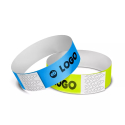

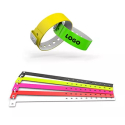
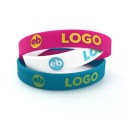
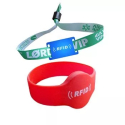
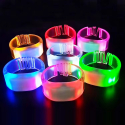
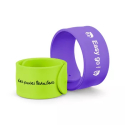
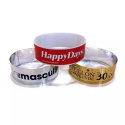
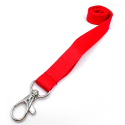









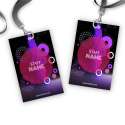

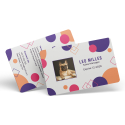

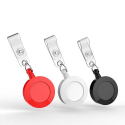
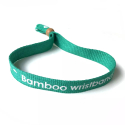


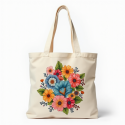
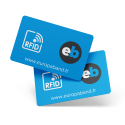
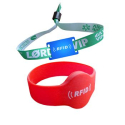
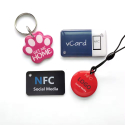

Sublimation is a personalization technique that has grown in popularity thanks to its ability to produce high-quality prints on a wide range of materials. This unique process involves transforming a special ink into gas under the effect of heat, allowing direct printing onto the product. This method is particularly valued for its precision and durability, delivering results that do not fade and withstand everyday wear and tear.
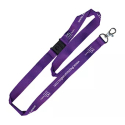
The main advantage of sublimation lies in its versatility. It is ideal for a wide range of products, from apparel and fashion accessories to promotional and decorative items. An excellent example of this versatility is illustrated by how to customize a lanyard, where sublimation makes it possible to create unique and attractive designs, with vibrant colors and great precision.
However, sublimation also has its limits. It requires specific materials, generally synthetic fabrics such as polyester, and cannot be applied to all types of surfaces. In addition, although the print quality is superior, the initial cost and equipment requirements can be higher compared to other personalization methods.
In this article, we will take an in-depth look at the sublimation technique, its applications, advantages, and disadvantages. We will also cover the types of products that can be sublimated, providing a complete overview of this innovative customization method.
How does sublimation work?
Sublimation is a fascinating printing process that relies on a unique physical phenomenon. To understand how it transforms a design into a vivid and long-lasting print, let’s explore its steps and required conditions.
Sublimation: a unique physical phenomenon
Sublimation is the transition of a substance directly from a solid state to a gaseous state, without passing through the liquid phase. This phenomenon is at the core of the sublimation printing technique. A common natural example of sublimation is snow evaporating without melting.
Special inks: a key role
For sublimation, special inks known as sublimation inks are used. These inks have the unique ability to change state under heat and pressure, going directly from solid to gas.
The right substrate: polyester or polyester coating
The substrate to be printed must be made of polyester or coated with polyester. This synthetic fiber is essential because it effectively absorbs sublimation inks. Other materials, such as cotton, are not compatible with this technique.
The steps of the sublimation process
- Creating the artwork : The design is created using graphic design software, following the required dimensions and resolution. The artwork is mirrored to ensure correct printing.
- Printing on transfer paper : The design is printed onto special transfer paper designed not to absorb the inks but to transfer them efficiently.
- Positioning the paper on the substrate : The transfer paper is placed on the substrate and secured with heat-resistant tape to prevent movement during transfer.
- Heat press application : The substrate and paper are placed in a heat press. Temperature and pressing time are adjusted according to the substrate. The inks vaporize and penetrate the polyester fibers, creating a durable print.
- Removing the transfer paper : After transfer, the paper is removed, revealing a high-quality print on the substrate.

By following these steps, sublimation makes it possible to create high-quality, durable prints with vibrant colors, ideal for event lanyards and other personalized products.
Sublimation equipment
To achieve high-quality sublimation, several specific pieces of equipment are required:
- Inkjet printer for sublimation : These printers are equipped with cartridges containing special inks. These inks, made of sublimatable dyes, vaporize under heat.
- Transfer paper : This special paper plays a crucial role in the sublimation process. It is designed to hold the inks on its surface without absorbing them, making transfer to the substrate easier.
- Heat press : This equipment applies the heat and pressure needed to activate the sublimation process. The press ensures that the inks turn into gas and penetrate the substrate.
- Sublimation-ready substrates : Materials suitable for sublimation must be made of polyester or polymer-based materials. These materials open under heat and close again as they cool, permanently trapping the inks.
The success of sublimation depends on specific conditions of temperature, pressure, and time, which vary depending on the type of substrate.
Here is a summary table of optimal conditions for different substrates:
|
Type of substrate |
Temperature |
Pressure |
Time |
|
Textile |
180-200°C |
Medium |
30-60s |
|
Mug |
180-200°C |
Medium |
120-180s |
|
Phone case |
180-200°C |
Medium |
30-60s |
|
Keychain |
180-200°C |
Medium |
30-60s |
|
Wallet |
180-200°C |
Medium |
30-60s |

Different sublimation techniques
Sublimation, a creative and technical process, comes in several methods, each suited to specific needs.
Direct Sublimation : This technique involves printing the design directly onto the substrate. It is fast and cost-effective, although the result is less precise than other methods. It is particularly suitable for flexible substrates such as t-shirts or banners.
Thermal Sublimation : Here, the design is printed onto a plastic film and then transferred onto the substrate under heat. This method is known for its high-quality output, with vibrant colors and fine details, making it ideal for rigid substrates such as mugs or phone cases.
Transfer Sublimation : This approach involves printing on transfer paper, followed by cutting and application onto the substrate. It offers great versatility and is easy to carry out, making it well suited for various substrates such as wallets or bags.
Each of these techniques has its own advantages and applications, allowing for great creativity in product personalization.
What are the advantages of sublimation?
Sublimation stands out from other printing techniques such as screen printing, transfer, or embroidery thanks to its many advantages. Let’s see why sublimation is an excellent choice for custom lanyards.
Superior print quality
Sublimation offers exceptional print quality. Colors are vibrant, accurate, and long-lasting. Unlike screen printed lanyards, which apply a layer of ink on top of the fabric, sublimation infuses the fabric with ink, ensuring better color retention and higher image resolution.
Accurate reproduction of complex designs
With sublimation, you can reproduce complex designs, color gradients, or photographs with great precision. This technique is ideal for sophisticated logos or detailed images, offering unlimited creative freedom.
Preserved fabric comfort
Sublimation does not alter the feel of the fabric. The result is a soft and comfortable material, without the stiffness or sticky effect sometimes seen with other techniques such as transfer or embroidery.
Strength and durability
Sublimation prints are resistant to washing, friction, UV exposure, and chemicals. Your lanyard retains its brightness and shape over time, without cracking, distortion, or fraying.
Eco-friendly and cost-effective
Sublimation is an eco-friendly technique that produces no waste or solvents. Water-based inks are free from harmful substances, respecting the environment and quality standards. In addition, this technique is cost-effective, with no setup fees or minimum order quantities, allowing you to order exactly the amount you need with no extra cost.
Sublimation delivers superior print quality, high precision in design reproduction, unmatched wearing comfort, exceptional durability, and significant ecological and economic benefits.
What are the disadvantages of sublimation?
Although sublimation is a printing technique known for its many advantages, it also has certain disadvantages and limitations. Let’s examine these aspects to better understand this method and consider suitable alternatives.
Requirement for a specific substrate
Sublimation requires a polyester substrate or a polyester-coated surface. This means you cannot use this technique on materials such as cotton, linen, leather, or wood. For these substrates, other methods like screen printing or transfer printing are more appropriate.
Incompatibility with dark colors
Sublimation inks are transparent and cannot cover dark or black substrate colors. If you want to print on a black lanyard, sublimation is not a viable option. You will need to choose a light-colored substrate or another printing technique.
Potential unwanted effects
Sublimation can lead to unwanted effects such as ghosting (blur or double image), bleeding (color spreading or overflow), or gassing out (spots or white areas). These issues usually occur due to incorrect press settings, transfer paper shifting, or excessive humidity. It is crucial to follow press parameters carefully and use protective paper to avoid these problems.
Specialized equipment and technical expertise
Sublimation requires specialized equipment: an inkjet printer with sublimation inks, suitable transfer paper, and a professional heat press. In addition, technical expertise in press settings is essential to achieve optimal results. This involves an initial investment and a learning curve for those new to this technique.
While sublimation is a high-quality printing method, it requires a specific substrate, is not suitable for dark colors, can present technical challenges, and demands specialized equipment. It is important to weigh these disadvantages against the benefits to determine whether sublimation is the right technique for your project.
We recommend these other pages: