 Deutschland
 España
 France
 Italia
 United Kingdom


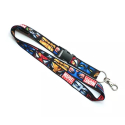
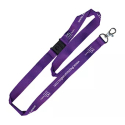
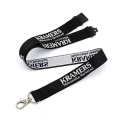

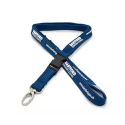








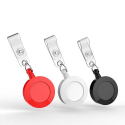
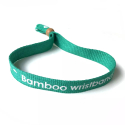


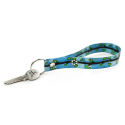

In today’s world, where environmental awareness is becoming increasingly important, choosing environmentally friendly products has become essential, even for events. Among these products, the eco-friendly lanyard stands out as a practical and responsible option. But what exactly is an eco-friendly lanyard, and why should you consider choosing one for your next event? Understanding how to choose a lanyard suitable can make all the difference in your eco-friendly approach.
An eco-friendly lanyard is an accessory made from sustainable materials, often recycled or biodegradable, designed to minimize its impact on the environment. Unlike traditional lanyards, often produced with synthetic and non-recyclable materials, eco-friendly lanyards offer a greener alternative without sacrificing quality or functionality.
Choosing an eco-friendly lanyard offers several advantages. First, it is a meaningful gesture in favor of environmental protection, showing that your company or organization is committed to sustainable practices. Second, these lanyards are often more appealing to an environmentally conscious audience, which can strengthen the brand image of your event or your business.
In this article, we will explore in detail the features of eco-friendly lanyards, their benefits, and why they represent a smart choice for any event concerned about its environmental impact.
What is an eco-friendly lanyard?
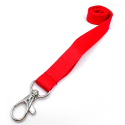
The term "eco-friendly lanyard" refers to an accessory worn around the neck, made from environmentally friendly materials. Here are its main characteristics:
- Functionality : An eco-friendly lanyard is a cord, strap, or ribbon used to hold various items such as name badges, keys, phones, or other useful objects.
- Eco-friendly materials : What distinguishes an eco-friendly lanyard from a standard model is the use of materials that are natural, recycled, biodegradable, or sourced from organic farming. Examples include organic cotton, bamboo, recycled PET, hemp, cork, recycled satin, or recycled silk.
- Reduced environmental and social impact : The goal of an eco-friendly lanyard is to minimize the environmental and social impact of its production, distribution, and use. This includes reducing resource consumption, waste production, and greenhouse gas emissions. These products are often certified by labels such as GOTS, Oeko-Tex, FSC, GRS, or RecyPET, ensuring their quality and traceability.
- Customization : Eco-friendly lanyards can be customized according to customer preferences, offering choices in color, width, length, pattern, logo, text, and more. This allows the image and values of the company or organization using them to be reflected.
- Versatility of use : They are suitable for various events such as trade shows, conferences, festivals, sports, or cultural events. They make it easier to identify participants, organizers, or guests, and encourage interaction and networking.
In summary, an eco-friendly lanyard offers many benefits for both the user and the environment. It combines practicality, aesthetics, and ethics, while serving as an effective communication medium that conveys a positive and responsible message.
What materials are used to make an eco-friendly lanyard?
Eco-friendly lanyards are made from a variety of materials that are respectful of the environment and human health. Below is a comparative table detailing the characteristics, advantages, and disadvantages of each material used:
|
Material |
Characteristics |
Advantages |
Disadvantages |
|
Organic cotton |
Natural fiber from organic farming, without pesticides or GMOs |
Soft, durable, hypoallergenic, biodegradable |
More expensive than conventional cotton, may wrinkle easily |
|
Bamboo |
Plant that grows quickly, without fertilizers or pesticides, and requires little water |
Antibacterial, UV-resistant, thermoregulating, biodegradable |
May be treated with chemicals during fiber processing, may fade in sunlight |
|
Recycled PET, RPET |
Plastic derived from recycled plastic bottles |
Strong, lightweight, waterproof, recyclable |
May contain harmful substances, may degrade over time |
|
Hemp |
Plant that requires no chemical inputs or intensive irrigation and regenerates the soil |
Durable, absorbent, antibacterial, biodegradable |
May feel rough to the touch, may have a distinctive odor |
|
Cork |
Material derived from the bark of the cork oak, which naturally regenerates without cutting down the tree |
Waterproof, insulating, biodegradable, recyclable |
May be fragile, may deform when exposed to heat |
|
Recycled satin |
Fabric made from recovered synthetic fibers, offering a silky and shiny appearance |
Soft, fluid, durable, recyclable |
May be slippery, may wrinkle easily, may be less breathable than natural fibers |
|
Recycled silk |
Fabric made from recovered silk fibers, offering a refined and elegant look |
Soft, lightweight, breathable, recyclable |
Can be expensive, may tear easily, may require delicate care |
How to choose your eco-friendly lanyard?
Choosing an eco-friendly lanyard involves considering several essential criteria, such as material, customization, comfort, price, and above all, environmental impact. Here is how to navigate these elements to make an informed choice:
- Material : This is the foundation of an eco-friendly lanyard. Each material—whether organic cotton, bamboo, recycled PET, hemp, cork, recycled satin, or recycled silk—has its own advantages and disadvantages. For example, organic cotton is appreciated for its softness but may wrinkle easily, while bamboo is known for its antibacterial properties, although it may undergo chemical processing. Your choice should be based on intended use, desired comfort, and budget.
- Customization : It offers an opportunity to make your lanyard unique. Color, width, length, pattern, logo, and text are all elements that can be tailored to your tastes, values, or activity. Customization is not only about aesthetics, but also a way to communicate a positive and responsible message.
- Comfort : A crucial criterion, as the lanyard will be in direct contact with your skin. It is important to choose a model that does not itch, tighten, slip, or cause excessive sweating. Comfort will largely depend on the chosen material, but also on the lanyard’s design, including its shape, size, and weight.
- Price : Eco-friendly lanyards can be more expensive than standard models due to rarer or more costly materials. However, this price can be justified by greater durability, superior performance, and an ethical approach. It is therefore important to find a balance between quality and budget.
- Environmental impact : This is the core of the eco-friendly approach. Choose a lanyard that minimizes resource consumption, waste production, and greenhouse gas emissions. Finally, prioritize products made locally or under fair conditions to reduce the social impact of their manufacturing.
By taking these criteria into account, you will be able to choose an eco-friendly lanyard that not only meets your practical and aesthetic needs, but also contributes to an environmentally responsible approach.
Why choose an eco-friendly lanyard instead of a classic lanyard?
Choosing an eco-friendly lanyard rather than a classic lanyard is a decision guided by environmental, social, and ethical considerations. These aspects clearly differentiate eco-friendly lanyards from traditional lanyards, which are often produced using polluting and non-durable materials.
- Environmentally friendly materials : Eco-friendly lanyards are designed using natural or recycled materials such as organic cotton, bamboo, recycled PET, hemp, cork, recycled satin, or recycled silk. These materials have a lower impact on resource consumption, waste production, and greenhouse gas emissions. In contrast, classic lanyards are often made of polyester or nylon lanyards, synthetic fibers derived from petroleum that require high water and energy consumption to produce.
- Human health : Eco-friendly lanyards are designed without substances harmful to the skin or the body, offering a healthier alternative. Classic lanyards, on the other hand, may contain chemicals such as dyes, solvents, or plasticizers that can be potentially toxic or allergenic.
- Ethical manufacturing : The production of eco-friendly lanyards respects the rights of workers and local communities, and they are often manufactured under decent working conditions. Classic lanyards are frequently produced in countries where social and environmental standards are weak or nonexistent.
- Durability : Eco-friendly lanyards are designed for a long lifespan and can be recycled or biodegraded at the end of their life. Classic lanyards, often disposable, contribute to soil and ocean pollution.
- Originality : With a wide variety of materials, colors, patterns, and customization options, eco-friendly lanyards offer notable originality. Classic lanyards tend to be uniform and lack distinction.
By choosing an eco-friendly lanyard, you are opting for a product that combines practicality, aesthetics, and responsibility, while conveying a positive and committed message for the environment and society.
We recommend these other pages:
- How to choose the right lanyard size?
- What are the advantages of event lanyards with a safety breakaway?
- Event lanyards: Why are they essential for professionals?
- What is the cost of a custom lanyard?
- Express event lanyards: how does it work?
- Event lanyards: which attachment types should you choose?
- What are the different materials used for event lanyards?
- What is the best lanyard?