 Deutschland
 España
 France
 Italia
 United Kingdom

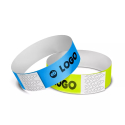

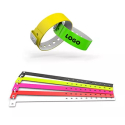
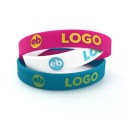

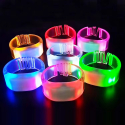




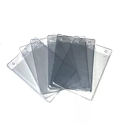






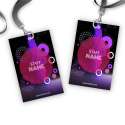

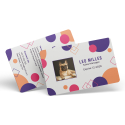






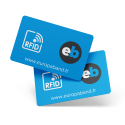


Are you planning to design eye-catching, durable, and elegant cards? PVC cards meet these expectations. Made from polyvinyl chloride, they offer excellent resistance to wear, moisture, and bending. Thanks to their rigid, printable surface, they stand out as a premium alternative to paperboard.
You will find these PVC cards used in a wide range of professional applications. PVC business cards add a striking touch to your brand image. Retailers adopt them as loyalty cards, lasting far longer in your customers’ wallets than paper versions. Brands also use them as media for gift cards and promotional cards, distributed in stores or at marketing events.
For personalization, in terms of format, you have a choice. The standard 85.6 x 54 mm template corresponds to a CR80 credit card size. Mini versions fit on a keychain. Custom printing adapts to your creative or technical constraints.
But the real added value lies in the finish. Want to create strong visual impact? You can choose an ultra-elegant matte finish, a glossy finish that catches the eye, a spot UV that highlights only certain parts of the design, or hot foil stamping that evokes luxury and exclusivity. Gold, silver, or even hologram effects—you have plenty of options.
What type of look do you want to give your card? Which finish best reflects your company or campaign image? Explore the options to decide which one will strengthen your message the most.
Visual showdown: matte or glossy finish for your PVC cards?
Visual appearance and feel
When you choose between a matte or glossy finish for your PVC cards, you influence both the look and the tactile feel of your card.
- Matte finish : it provides a velvety, non-reflective appearance. The soft-touch feel appeals with its smoothness and conveys a sense of restraint. This finish diffuses light, softening contrasts and creating a muted effect highly appreciated in professional environments.
- Glossy finish : it captures light and intensifies colors. The mirror effect delivers instant shine. If you want to catch the eye within seconds, this finish maximizes visual impact and enhances high-contrast graphics.
What message do you want to convey?
Your customers immediately perceive intent through the finish. Ask yourself this question: do you want to inspire intellectual elegance or project vibrant energy?
- Matte finish : very often associated with a minimalist universe, it suggests control and analysis. Sectors such as law, finance, or consulting readily adopt this understated look that conveys seriousness and discretion.
- Glossy finish : evocative of creativity and dynamism, it attracts attention and stimulates responsiveness. B2C-oriented brands, especially in fashion, sports, or leisure, use it to emphasize boldness.
Think industry before finish
A finish is never chosen in isolation. It connects to your audience. A matte card conveys a consistent image for an accounting firm or a notary office. Conversely, a glossy card creates ideal impact for a cosmetics brand or a tech startup seeking to assert its innovative character.
Durability and maintenance: what you need to know
- Matte : it resists fingerprints better and maintains a uniform appearance over time. However, it shows scratches more easily with repeated friction.
- Glossy : its bright effect invites touch but amplifies fingerprints. You need to handle it carefully if you want to maintain a flawless presentation.
Which finish matches your current professional universe? By exploring materials, you clarify far more than just appearance—you define positioning.
Spot UV: capture attention with a unique tactile and visual effect
Focus on strategic enhancement
Spot UV consists of applying a glossy layer to specific areas of a PVC card. For example, you can enhance a logo, icon, or typography to create immediate contrast. This technique relies on millimeter precision. It directs the recipient’s attention to the most important elements of your visual identity.
Create strong contrast on a usually matte base
Printers apply matte lamination to the card background before adding spot UV. This choice accentuates localized gloss and creates a clear raised effect to the touch. You generate a dual impact: a sophisticated visual result and a distinctive tactile sensation. Have you ever observed someone’s reaction to a card with spot UV? Surprise often shows from the first touch.
Which projects benefit most from spot UV?
This finish boosts the premium perception of your materials. Here are the most common use cases where it delivers real added value
- Premium business cards : to make a strong impression from the first contact
- VIP membership cards : to assert exclusive positioning
- Event materials : to reinforce a message in a short-lived but strategic context
Do you want a differentiating effect without complicating your design? Spot UV fulfills this role perfectly. You simply need to identify the key areas of your visual to generate immediate impact, without graphic overload.
Hot foil stamping: an irresistible visual signature
How hot foil stamping works on PVC cards
You transfer a metallic layer onto the card surface by combining a heated die with a foil film. Through pressure and heat, you imprint the desired pattern cleanly and permanently. This technique is perfectly suited to PVC, which reacts uniformly to the required temperatures, generally around 130 to 180 °C depending on the material and foil used.
Which foil color should you choose
You have access to multiple metallic foil finishes depending on the desired effect. Use the following options:
- Gold : for a classic and prestigious image
- Silver : for a modern and professional look
- Copper : for a retro and chic aesthetic
- Holographic : to play with colors and strongly attract the eye
What impression does foil stamping leave?
From the very first contact, hot foil stamping attracts and elevates. You instantly create a perception of refinement and high quality. In tactile marketing, this type of finish triggers an immediate emotional response that produces stronger visual recall. You use foil stamping to differentiate your card within a batch, without additional design effort.
When to use hot foil stamping
Here are some concrete cases where foil stamping guarantees maximum impact:
- Business card for a high-end consulting firm
- Numbered VIP cards for events or private clubs
- Invitations to a luxury product launch event
- Packaging or product labels in cosmetics or jewelry
Which colors to favor for strong contrast
Pair foil stamping with dark or understated backgrounds. For example, you achieve excellent contrast with:
- Gold foil on black or deep blue backgrounds
- Silver foil on anthracite or pure white backgrounds
- Copper foil on cream or chocolate brown backgrounds
How to combine it with other finishes
You amplify perceived quality by combining foil stamping with other surface treatments. Here are two commonly used combinations:
- Foil + matte finish : you achieve visual and tactile contrast between the soft background and metallic shine
- Foil + spot UV : you play with bright and textured areas to highlight part of a logo or a specific graphic element
Do you want to reinforce your brand or product’s premium image at first glance? Integrate hot foil stamping into your next PVC card by combining visual strategy with precise technical choices.
Which finish should you choose for your PVC card? Precise advice based on use and objectives
What objective are you aiming for with your card?
Do you represent your business in a high-end B2B context? Choose a matte finish enhanced with spot UV. This duo projects a message of sophisticated professionalism without visual overload. The satin matte look signals discretion and rigor, while the UV highlights a targeted element such as your name or title.
Do you want to highlight a bold or illustrative logo? Choose a glossy finish or localized UV. Gloss immediately catches the light and draws attention. Spot UV will guide the eye toward the logo, giving it depth. The result speaks visually from the first contact.
Do you want to convey a luxurious image the moment the card is discovered? Integrate hot foil stamping. Gold, silver, or copper effects instantly transport the viewer into a premium universe. This choice enhances your brand without ambiguity.
Consider production volume and format
- Small runs for privileged clients : combine spot UV and foil stamping to target a limited but highly impacted audience. This choice increases memorability and strengthens perceived value.
- Large quantities for wide distribution : opt for a simple matte or glossy finish. This compromise reduces costs without sacrificing aesthetics.
Align the finish with your brand guidelines
Do you use a pastel palette or understated tones? A matte finish will reinforce the elegance of your visual universe. Do your materials feature saturated or high-contrast colors? Gloss will amplify their impact. Spot UV will enhance the most expressive areas without disrupting overall balance.
Ensure technical compatibility
- Digital printing : choose matte or gloss for quick adjustments and direct printing.
- Offset : combine with spot UV or foil stamping for precise finishes at stable volumes.
- Screen printing : use this technique with foil or UV for high-definition results on thick substrates.
Relevant examples by industry
- Professional services : lawyer, consultant, notary? Prefer a matte finish combined with subtle UV. This reinforces credibility while enhancing presentation.
- Contemporary fashion brand : integrate foil stamping and spot UV on a glossy base. You will convey an innovative and striking image aligned with current aesthetic codes.
Which finish best protects your PVC card?
Glossy finish: a brilliant effect that requires care
Glossy finish enhances colors and contrasts, immediately attracting attention. You will notice good abrasion resistance in standard use. However, this surface more easily retains fingerprints, light scratches, and greasy marks. With repeated friction or frequent handling, it can lose some of its shine.
Matte finish: the durable and understated option
Looking for a card resistant to everyday wear? Choose a matte finish. It absorbs micro-scratches better and conceals fingerprints. In professional environments where cards frequently change hands, this finish maintains its appearance over time. It also offers a softer, less slippery feel, reducing accidental drops and friction.
Impact of spot UV on durability
Spot UV covers only part of the card, usually to highlight a logo or text. If applied over a well-laminated matte finish, it ensures adequate durability, as the treated area remains protected. However, this exposed surface is slightly more sensitive to scratching if not paired with a strong lamination.
Hot foil stamping on laminated finishes: prestige meets durability
Foil stamping not only delivers a premium look but also offers good longevity. To achieve this durability, it must be combined with prior lamination. This substrate stabilizes the metallic foil and improves adhesion. Without this protective layer, foil can flake under heat, humidity, or intensive use.
What role does lamination play in protecting your card?
The choice of lamination directly influences the durability of a PVC card, regardless of finish. Properly applied lamination protects against water, abrasion, UV rays, and mild chemicals. It also prevents decorative layers like foil or UV from peeling. Hesitating between options? Ask yourself: will my card be exposed to heavy handling or harsh environments? Your answer will automatically guide your selection.
Which PVC finishes to choose in 2025? Styles you will adopt
Feel the difference: soft-touch and the return of matte
PVC card designers are once again favoring matte finishes, with a notable evolution: the addition of soft-touch texture. This velvety feel delivers an almost sensory experience that recipients remember more than simple visuals. Printers such as Plastilux and KardOne report a 34% increase in demand for these soft surfaces over the past 18 months.
Spot UV: focus on the details that matter
Have you considered enhancing just one area of your card without overloading the design? Graphic studios are steering compositions toward generous spacing and confident minimalism, elevated by digital spot UV. In 2025, you will see these finishes paired with tone-on-tone logos, ultra-fine geometric patterns, or contrasting professional icons.
Metallic effects are changing tone
Want to move beyond classic gold or silver foils? Holographic metal finishes are gaining ground. Printers now combine iridescent hot foil sheets with translucent inks to create reflections that shift with light angle. This technological fusion is already attracting event industries and fashion brands, with a 42% increase in orders reported by PrintO’Card between January and March 2024.
Combine to surprise: matte + 3D UV, pastel + foil
Why choose just one finish? More studios are mixing contrasting effects. You pair a soft-touch matte base with raised 3D spot UV to emphasize key text. You apply rose copper foil on a pastel blue background for a bold yet harmonious result. These combinations enable premium positioning without sacrificing readability or elegance.
A shift toward ethical and responsible choices
Looking for alternatives to traditional materials? Manufacturers are expanding research into biodegradable PVC cards or cards made from certified recycled plastics. Combined with solvent-free inks and cold printing, these innovations pave the way for responsible visual identities. Have you explored the new substrates offered by eco-design specialists? Your finish choices can now reflect your commitments.
Boost your PVC card with standout finishes
Integrate geometric UV patterns to catch the eye
Want to command attention from the first tactile and visual contact? Apply partial spot UV in geometric patterns. Raised millimeter relief on a matte base creates depth and targeted shine. Aim for contrast: glossy triangles on textured backgrounds, stylized grids limited to specific areas. This finish reinforces uniqueness without visual overload.
Choose colored foil stamping to inject energy
Dare electric blue, ruby red, or even forest green. Hot foil stamping is no longer limited to gold and silver. You can select pigmented metallic foils to create a pop effect that surprises. Red foil typography on a matte black background creates visual tension that draws the eye. Want to project a bold, contemporary image? This option delivers precisely that.
Play with partial PVC transparency
Print only certain areas and deliberately leave others transparent. This approach transforms the card into a semi-transparent object. Imagine a logo floating over an invisible background, or opaque outlines framing a clear zone. By varying opacity and ink density, you create unexpected visual experiences. This technique works particularly well with minimalist visuals and clean typography.
Break away from the standard format: explore custom die cuts
You can modify the very shape of your card: pronounced rounded corners, asymmetric silhouettes, or die cuts shaped like objects related to your activity. A hairstylist card shaped like a stylized comb or a sommelier card with a bottle silhouette immediately signals your universe. Use precision laser cutting for clean shapes without compromising PVC structure.
Mix materials for a multisensory result
Combine PVC with other materials such as textured paper inserts, fabric-effect lamination, or cardboard backing. These combinations multiply tactile sensations and increase surprise. For example, a glossy PVC front contrasted with a textured paper back creates dynamic interplay between technology and craftsmanship. Want to evoke rigor and tactile sensitivity? This type of mix achieves it instantly.
Which creative finish would you be willing to adopt to stand out? Have you ever considered a card that tells your brand story without saying a word?
Which finish will make all the difference on your PVC cards?
Are you hesitating between a matte or glossy finish? Would you like to test spot UV to highlight a logo? Or are you already imagining the high-end effect of hot foil stamping on a PVC card? Each option delivers a distinct result, with its visual strengths, budget implications, and impact on brand perception.
Quick summary to refine your choice
- Matte finish : elegant and understated, it reduces glare, ensures good readability, and resists scratches better.
- Glossy finish : vibrant tone, enhanced color saturation, a smart choice for highly colorful visuals.
- Spot UV : tactile and visual raised effect, perfect for highlighting a specific graphic element.
- Hot foil stamping : immediate premium appearance, ideal for luxury cards or high-end brands.
Ask yourself the right questions
- What atmosphere do you want to convey: creativity, seriousness, exclusivity?
- Is your target more sensitive to the prestige of a medium or to readability above all?
- What budget can you allocate to lamination or special effects?
A properly finished PVC card generates higher recall and enhances your image from the first contact. Test multiple mockups on different substrates, compare how they feel in hand, and observe reactions around you. You will quickly identify the most effective combination for your activity segment.
Take action with the right partners
A specialized printer will know how to adapt each finish to your brand guidelines, format, and PVC technical constraints. They will also guide you in adjusting spot UV or choosing the most suitable foil.
Which finish will you dare for your next card? Minimalist matte, bold gloss, surprising UV, or sophisticated foil? The answer is in your hands.
We also recommend these pages: