 Deutschland
 España
 France
 Italia
 United Kingdom

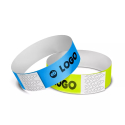
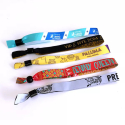
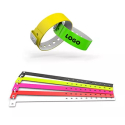
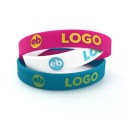
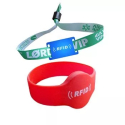
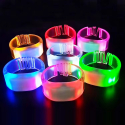
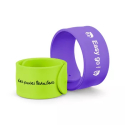
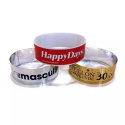
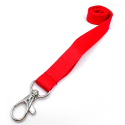
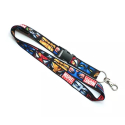
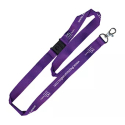
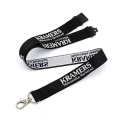







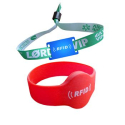
The Essentials of Cloth Wristbands for Multi-Day Festivals and VIP Events
Cloth is only one of several materials on the table, and choosing wristbands by material is often the clearest starting point before you settle on fabric for a specific event.
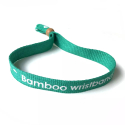
- Material : Cloth wristbands are made from woven or sublimated polyester fabric, offering a soft texture and high tensile strength designed to withstand continuous wear without fraying or breaking.
- Wear duration : Built for multi-day festivals and extended events, these wristbands remain intact and comfortable for 3+ consecutive days of uninterrupted use.
- Durability and resistance : The cloth fabric resists sweat, rain, and sun exposure, and waterproof construction prevents color fading or material degradation throughout an event.
- Security features : Locking sliders create a tamper-resistant, anti-transfer closure, preventing wristbands from being removed and reused once fastened.
- Customization options : Cloth wristbands support full-color custom artwork via sublimation printing, with optional RFID chips for cashless payments and access control integration.
- Use cases : Used at festivals, concerts, and VIP events to manage tiered access, identify VIP guests, and provide reliable, secure entry control across multiple zones.
- Difference from other types : Unlike Tyvek paper, plastic, or vinyl wristbands, cloth wristbands deliver superior comfort, durability, and a premium fabric finish suited to longer-duration events.
What Makes Cloth Wristbands Different from Every Other Material
Cloth wristbands stand apart because they are made from woven or sublimated polyester fabric, a textile construction that no paper, Tyvek, plastic or vinyl band can match for comfort and longevity. Where Tyvek wristbands are designed for single-day use, cloth bands are built to survive continuous wear across an entire multi-day event. Cloth is only one option in a broader range, and comparing wristband materials side by side helps clarify where fabric fits against paper and synthetic alternatives, as our overview comparing wristband materials lays out.
The difference starts with the material itself. A fabric band feels like an extension of clothing rather than a disposable strip, which matters when attendees keep it on their wrist for days at a time. Cloth wristbands are designed to last five to 14 days of continuous wear, a range that single-use materials simply cannot deliver.
Woven vs. sublimated polyester: which print method fits your event
Both methods use polyester, but they serve different goals. The right choice depends on how detailed your design is and the visual finish you want for your event.
- Woven polyester: the design is threaded directly into the fabric, giving a textured, premium feel. Ideal for logos, text and simple graphics where a tactile, high-end look matters.
- Sublimated polyester: the artwork is heat-pressed into the fibres, allowing full-colour gradients, photographic detail and edge-to-edge printing without raising the surface.
Built for extended wear, security and comfort
Beyond the print, cloth wristbands carry the practical features event managers need. The soft fabric eliminates the rubbing and tearing common with stiffer materials, so comfort holds up even after several days outdoors.
- Comfort: the woven texture sits flat against the skin and resists chafing during long wear.
- Security: one-way locking sliders make the band tamper-resistant and non-transferable.
- Resistance: the polyester construction withstands sweat, rain and sun exposure without fading or fraying.
This combination of durability, security and a refined finish is what positions cloth bands above every other wristband material for premium, multi-day use.
Why Multi-Day Festivals Rely on Fabric Wristbands
Multi-day festivals choose cloth wristbands because they survive what kills cheaper bands: continuous wear across several days of sun, sweat, and rain. Cloth wristbands are designed to last five to 14 days of continuous wear, making them suited to events that run far beyond a single afternoon.
Sun, sweat and rain across three days or more
A festival site exposes every wristband to relentless conditions. Woven or sublimated polyester holds up where lesser materials fade, tear, or fall apart. The waterproof fabric keeps its color and structure through downpours and heat, so a wristband applied on Friday still looks intact on Sunday night. That durability matters when you are managing thousands of guests across concerts and stages, with no realistic way to reissue bands mid-event.
Tamper-resistant closures protect ticket revenue
Revenue protection is where fabric wristbands earn their place. The operational advantages stack up quickly:
- One-way locking sliders tighten once and cannot be loosened without visible damage, so a band cannot be passed to someone who never paid.
- Non-transferable wear ties each wristband to a single attendee for the full festival, closing the gap that single-use paper bands leave open.
- Tier identification lets staff read access levels at a glance, separating general admission from VIP zones without slowing entry lines.
- Tamper evidence means any attempt to remove and reuse a band shows immediately, reducing fraud at gates.
The keepsake attendees keep wearing after the event
Comfort and appearance turn a credential into a memento. The soft fabric feel means guests forget they are wearing it, even across a long weekend. Once the festival ends, many attendees keep the band on for days or weeks, a quiet form of brand exposure no plastic or paper alternative delivers. Music festivals like Coachella, Bonnaroo, and Lollapalooza helped popularize the cloth wristband, and the souvenir value remains one of the strongest reasons organizers commit to fabric.
How Cloth Wristbands Elevate VIP and Premium Event Experiences
Cloth wristbands are the premium choice for VIP events because they combine a refined, fabric finish with practical control over access tiers. Made from woven or sublimated polyester, cloth wristbands signal a higher-tier experience while supporting RFID-based access and cashless payments. That blend of appearance and function is what sets them apart for premium audiences.
Managing VIP, GA, media and staff access tiers
For an event manager, separating credentials cleanly keeps gates moving and restricted zones secure. Cloth wristbands let you assign a distinct design to each tier, so staff identify access levels at a glance without slowing entry.
- VIP and backstage : exclusive colorways and finishes reserved for premium ticket holders.
- General admission : durable bands built to last across the full event run.
- Media and press : clearly differentiated credentials for accredited attendees.
- Staff and crew : dedicated designs for operational access zones.
Premium branding that matches your event identity
The woven and sublimated construction holds full-color artwork, logos and patterns that look polished rather than disposable. A custom cloth wristband becomes part of your event identity, carried home as a keepsake long after the gates close. For VIP segments, this elevated look reinforces the value of the ticket your guests paid for.
RFID integration for smart access and cashless payments
Adding an RFID chip turns each wristband into a smart credential. Guests tap to enter restricted areas and pay without cash or cards, while you gain reliable attendee data. RFID-enabled cloth wristbands handle access control and cashless payments from a single band on the wrist. The result is faster throughput at entry points and bars, fewer queues, and a smoother premium experience that matches the expectations of VIP and high-value guests across your event.
Cloth Wristbands vs Tyvek, Plastic and Vinyl: A Material Comparison
Each wristband material serves a distinct purpose. Cloth wristbands are made from woven, satin or sublimated polyester and designed to last five to 14 days of continuous wear, while Tyvek bands are built for single-day use. Plastic and vinyl sit somewhere between these two on durability and comfort.
The differences come down to a handful of qualitative criteria that matter for event managers: how long the band must hold up, how it feels on the wrist, how secure it is against transfer, and how well it carries your branding. Cloth wristbands lead on durability and comfort thanks to their fabric construction, which resists sweat, rain and repeated movement far better than paper-based or thin synthetic alternatives. Tyvek, by contrast, is a lightweight synthetic paper that tears once removed, making it inherently non-transferable for short windows. Plastic and vinyl bands offer water resistance and a smoother surface for printed graphics, with reusability that depends on the closure type.
For exact wear durations, security ratings and pricing on any specific material, those details are established per quote according to your event profile and order volume. Speak with an advisor to match the right band to your access-control needs.
When to choose Tyvek wristbands
Tyvek is the practical pick for single-day events where cost per unit and fast deployment outweigh longevity. Think one-off concerts, day passes, school functions or fundraisers where attendees wear the band for a few hours. The tear-on-removal design gives you basic non-transferable security without the premium feel or extended lifespan of fabric.
When plastic or vinyl wristbands make sense
Plastic and vinyl bands suit waterproof scenarios and events lasting a couple of days, such as pool parties, aquatic venues or outdoor gatherings with weather exposure. Their smooth surface holds clean printed branding, and certain closures allow limited reuse. They bridge the gap when you need more resilience than Tyvek but don't require the woven comfort of cloth for a full festival run.
Custom Options to Match Your Brand and Event Identity
Cloth wristbands give you a wide canvas for branding: woven or sublimated polyester finishes carry full-color artwork, logos, and sponsor placements that hold up across the entire run of your event. The right combination of closure, finish, and ordering approach depends on your audience and your access-control needs, and your advisor can walk you through the specifics.
Locking vs. adjustable closures: what your event needs
Closure type shapes both security and comfort. One-way locking sliders are tamper-resistant and non-transferable, keeping each band on a single attendee. Adjustable closures suit lower-security contexts where you want reusable, flexible sizing. The choice usually comes down to whether you're managing tight VIP tiers or a more open audience.
- Locking closures: ideal for multi-day festivals and restricted zones where transfer must be prevented.
- Adjustable closures: better for casual events, repeat wear, or eco-friendly reuse scenarios.
- RFID integration: add chips for cashless payments and access control, with details confirmed by your advisor.
Full-color artwork and woven finishes
Woven bands deliver a textured, premium look that signals VIP status, while sublimated polyester reproduces full-color, printed gradients and photographic artwork edge to edge. Solid color options work well when you need clear visual coding between ticket levels. Each finish suits a different brand expression, so share your design goals to find the right match.
Stock vs. custom: choosing the right approach
Stock bands offer fast availability for straightforward needs, while custom bands let you control color, artwork, and security features for a fully branded result. If your event timeline is tight or your identity is highly specific, a custom run gives you the most control. Your advisor can recommend the approach that fits your volume and deadline.
How to Choose the Right Cloth Wristband for Your Event
Choosing the right cloth wristband comes down to four factors: how long your event runs, how many guests you expect, the security level you need, and the comfort you want to offer. Cloth wristbands are designed to last five to 14 days of continuous wear, which makes them suited to extended programs.
Match the closure and security to your risk level
Start by mapping the closure to your access control needs. Higher-risk events with multiple zones call for tamper-resistant, non-transferable locking sliders, while lower-stakes gatherings can run on simpler closures.
- Assess event duration: for a multi-day festival, the woven or sublimated polyester construction holds up far better than single-day Tyvek.
- Estimate crowd size: a weekend festival with 10,000 attendees demands a different volume strategy than a boutique VIP event.
- Define your security tier: add one-way sliders and optional RFID where access, cashless payments, or attendee tracking matter.
- Set your budget against guest experience: weigh upfront cost against the comfort and premium feel cloth delivers over an entire event.
Mixing materials for large-scale operations
Large operations rarely use one material. A 500-room all-inclusive resort or a major festival can pair cloth wristbands for multi-day general admission with cheaper bands for single-day passes. This keeps durability where it counts while controlling spend across thousands of guests, especially during busy summer programming.
Eco-friendly and reusable considerations
If sustainability sits on your brief, factor in how the band is handled after the event. The fabric build of a cloth wristband supports a more durable, reusable approach than disposable options, which fits eco-conscious event policies. Decide early whether you want guests to keep their band as a keepsake or collect it for reuse, since that choice shapes your closure and quantity decisions.
Frequently Asked Questions About Cloth Wristbands
Cloth wristbands raise practical questions for any event manager planning multi-day access control. Below are direct answers on water resistance, wear duration, security, reuse and RFID integration to help you specify the right band for your festival or VIP program.
Can cloth wristbands get wet?
Yes. Made from woven or sublimated polyester, cloth wristbands hold up to rain, sweat and sun without losing their shape or printed artwork. Cloth wristbands are built to withstand water exposure throughout outdoor multi-day events. This makes them suited to open-air festivals where attendees stay on site for days.
How long do fabric wristbands last on the wrist?
Cloth wristbands are designed to last five to 14 days of continuous wear. That span covers everything from a long weekend festival to extended VIP credentials and resort stays. The fabric construction keeps the band comfortable and intact across the full event, unlike Tyvek bands intended for single-day use.
Are cloth wristbands secure enough to prevent counterfeiting?
They are. Each band uses a one-way locking slider that is tamper-resistant and cannot be transferred once fastened. Combined with full-color custom artwork that is difficult to replicate, this makes cloth wristbands a reliable way to control access and stop gatecrashing across ticket tiers.
Can cloth wristbands be reused?
Because the locking mechanism is non-transferable, a band cannot be reapplied once removed. This is intentional: it guarantees that each wristband stays tied to a single attendee for the event duration. For recurring programs, you simply order fresh bands per edition to maintain security integrity.
Do cloth wristbands support RFID?
Yes. Cloth wristbands can be fitted with optional RFID chips for cashless payments, access control and attendee tracking. RFID-enabled cloth wristbands let you manage entry, spending and crowd flow from a single band. This is particularly valuable for large festivals and tiered VIP zones where speed and data accuracy matter.