 Deutschland
 España
 France
 Italia
 United Kingdom

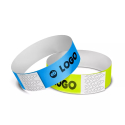
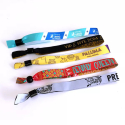
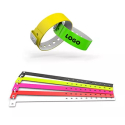
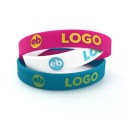
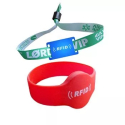
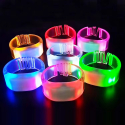
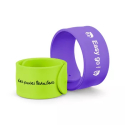
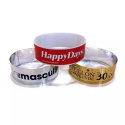





The Essentials of Logo Printing on Custom Wristbands
Logo printing is only one part of the wider picture, as the way you approach custom printed wristbands also shapes the colors and overall branding choices you can carry across a batch.
- Main printing techniques : the most common methods to add a logo to custom wristbands are silk screen (screen printing), debossing, embossing, ink-filled (printed), thermal transfer, laser engraving and full-color dye sublimation.
- Silk screen printing : screen printing applies ink directly onto the wristband surface, suited for flat logos and a limited number of solid colors, widely used on silicone and fabric bands.
- Debossing and embossing : debossing presses the logo into the silicone for a recessed design, while embossing raises it above the surface; ink-filled debossing adds color into the recessed areas for higher visibility.
- Thermal transfer and sublimation : thermal transfer and full-color dye sublimation reproduce multi-color logos and gradients, with sublimation embedding the design into fabric wristbands for full-color, edge-to-edge printing.
- Materials covered : printing techniques vary by material — silicone, fabric, vinyl/plastic, Tyvek and RFID wristbands each support specific methods depending on surface and durability.
- Choice criteria : the right printing technique depends on durability, the number of colors in the logo, the wristband type and the event volume required.
- Provider vs in-house printing : logos can be printed by a specialized provider or produced in-house using a dedicated wristband printer, the latter suited for on-demand or short-run event needs.
Why Logo Placement Matters on Event Wristbands
On an event wristband, your logo works as a small but constant branding surface that every attendee carries for hours or days. The chosen printing technique directly shapes how sharp, legible and on-brand that mark looks, which is why placement and method matter as much as the design itself.
Logo printing is only one part of the wider picture, as the way you approach custom printed wristbands also shapes the colors and overall branding choices you can carry across a batch.A logo squeezed onto a curved band or printed at the wrong scale quickly loses impact. The minimum readable font size for wristbands typically falls around 8-point, so any text inside your logo needs room to breathe. Color choices also count: traditional printing methods work best with 2-4 spot colors, while a busy gradient may simply not reproduce cleanly.
Keep these visibility factors in mind before you finalise the design:
- Contrast between the logo color and the wristband background
- Adequate spacing so the mark stays readable on a narrow band
- Consistent brand colors across every wristband in the batch
- A clean, uncluttered layout that holds up when scaled down
Getting these basics right ensures your event wristbands reinforce your brand instead of diluting it.
The Main Printing Techniques Used to Add a Logo
Six printing techniques dominate logo application on event wristbands: silk screen printing, debossing/embossing, ink-filled logos, thermal transfer, full-color dye sublimation, and laser engraving. The right choice depends on your wristband material, the number of colors in your design, and how long the band needs to survive on a guest's wrist.
Silk Screen Printing (Screen Printing)
Screen printing pushes ink through a mesh stencil onto the band surface, one screen per color. It delivers crisp, opaque logos on fabric, vinyl, and silicone wristbands. Traditional printing methods work best with 2 to 4 spot colors.
- Advantage: Excellent durability and bright, solid colors on dark backgrounds.
- Advantage: Cost-effective for large quantities with a simple design.
- Limit: Poorly suited to photographic logos or fine gradients.
Debossing and Embossing
These techniques press your logo into the material (debossing) or raise it above the surface (embossing), with no ink involved. Silicone wristbands are typically debossed or screen-printed, not run through a standard wristband printer.
- Advantage: The mark cannot fade, scratch off, or wash away.
- Limit: Single-tone result; the logo reads through shape, not color.
- Best use: Promotional and loyalty silicone bands where a tactile, premium feel matters.
Ink-Filled / Printed Logos
An ink-filled logo starts as a debossed recess that is then flooded with colored ink, combining a sunken design with visible color contrast. Standard printed logos apply ink flat to the surface instead.
- Advantage: Sharper color visibility than plain debossing.
- Advantage: The recessed ink resists everyday abrasion better than a flat print.
- Limit: Limited to one or two ink colors per recess.
Thermal Transfer Printing
Thermal transfer: a method that uses heat to bond a printed image from a ribbon onto the wristband surface. It is the workhorse behind variable data such as names, barcodes, and sequential numbering on synthetic and Tyvek bands.
- Advantage: Ideal for on-demand printing of individualized information at the venue.
- Advantage: Sharp text down to small sizes; the minimum readable font size for wristbands falls around 8-point.
- Limit: Best for one or two colors rather than rich, full-color artwork.
Full-Color Dye Sublimation
Dye sublimation turns solid dye into gas that permeates the fabric fibers, locking in photo-quality color. This is the technique to specify when your logo includes gradients, photographs, or more colors than spot printing allows. The 300 DPI standard exists for good reason when preparing artwork for this level of detail.
- Advantage: Unlimited colors and full-bleed designs with no color count penalty.
- Advantage: The dye sits inside the fibers, so it will not crack or peel.
- Limit: Works on polyester fabric bands, not on silicone or Tyvek.
Laser Engraving
A focused laser removes or discolors the top layer of the material to etch your logo permanently. It is the most durable option for hard surfaces and metal closures, producing a mark that lasts as long as the band itself.
- Advantage: Permanent result with no ink to fade or rub off.
- Advantage: Fine, high-resolution detail on suitable materials.
- Limit: Monochrome only, and the contrast depends heavily on the base material.
Each method maps to a different priority. Choose screen printing or dye sublimation when color fidelity drives your design, debossing or laser engraving when permanence outranks everything else, and thermal transfer when every wristband needs unique, scannable data. The following section pairs these techniques with the specific materials you are likely to order.
Matching the Technique to Your Wristband Material
The printing method always follows the material. Silicone wristbands are debossed or screen-printed, while Tyvek and thermal paper bands rely on printed inks suited to short-term use. Each surface accepts only a handful of techniques, so your material choice narrows the options before you even pick a finish.
Silicone Wristbands
Silicone is the material most associated with promotional and loyalty bands. Printing is usually debossed or screen-printed, and it is not produced with a standard wristband printer. Debossing presses the logo into the band for a recessed, long-lasting mark, while screen printing lays solid colours flat on the surface. Both handle simple logos well, but neither is ideal for gradients or photographic detail.
Fabric / Woven Wristbands
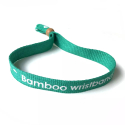
Fabric bands split into two families. Woven versions reproduce the design through threads rather than ink, which means fine detail and thin lines suffer. Woven wristbands use a CMYK thread system where each letter is essentially embroidered. Printed fabric bands, by contrast, accept dye sublimation for full-colour, edge-to-edge artwork. The right method depends on whether you want a textile texture or a photographic finish.
Vinyl and Plastic Bands
PVC and vinyl bands are soft, waterproof and very durable, which makes them ideal for hospitals, water parks and multi-day events. Their smooth synthetic surface supports printed inks and works well when the band needs to survive water and repeated handling over several days.
Tyvek and Paper Bands
Tyvek wristbands are tear-resistant, water-resistant and low-cost, a practical fit for conferences and short-term events. Thermal paper bands sit at the budget end: low cost, but they can fade and are not durable, so reserve them for single-day use. Both materials take printed designs cleanly and suit high-volume runs.
RFID-Enabled Wristbands
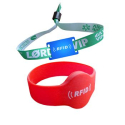
RFID bands add an embedded chip for access control, cashless payment or attendee tracking, and they are built on materials such as silicone, fabric or vinyl. The logo printing follows whichever base material you select. Because chip integration and finishing options vary by supplier, the exact print specifications for your RFID order are best confirmed on quote, depending on the configuration you request.
How to Choose the Right Logo Printing Method
The right printing method comes down to four factors: how many colors your logo contains, how long the wristband must survive, how many units you need and the lead time you can afford. Logos with 2-4 spot colors suit traditional methods, while gradients and photographic designs need full-color digital printing. Match these against your wristband material before committing.
Number of Colors in Your Logo
Your color count narrows the field faster than any other criterion. A single-color or two-tone logo works perfectly with screen printing or debossing. Anything richer pushes you toward digital reproduction.
- 1 to 4 colors : screen printing, debossing or ink-filled debossing handle solid spot colors cleanly.
- Gradients, photos, many colors : dye sublimation or thermal transfer reproduce a full-color design without limits.
- Single-color text or icons : laser engraving gives a clean, ink-free finish on suitable surfaces.
Event Duration and Durability Needs
How long attendees wear the band dictates how durable the print must be. A single-day conference tolerates a lighter process; a multi-day festival or hospital setting demands a method that resists water and abrasion.
- Short, single-day events : Tyvek or thermal paper keep costs low, though thermal paper can fade and is not durable.
- Multi-day or wet conditions : PVC/vinyl is soft, waterproof and very durable, pairing well with sublimation or thermal transfer.
- Promotional or loyalty bands : silicone, printed debossed or screen-printed, holds up to repeated wear.
Order Volume and Lead Time
Volume and timing decide whether you print in-house or order from a specialist. Small, urgent or variable-data runs favour an on-demand wristband printer; large branded orders favour a professional supplier.
- Confirm your final color count and pick a compatible method.
- Check the wristband material supports that process.
- Estimate total quantity and your earliest delivery deadline.
- Decide between in-house printing for short runs or a specialist for high volumes.
Preparing Your Logo Files for Printing
A print-ready logo file means vector artwork at the correct resolution, with strong contrast and a defined color profile. Vector graphics in AI, EPS, or SVG files represent the gold standard for wristband artwork because they scale to any band width without losing sharpness.
Use Vector Files and High Resolution
Before sending your design to a provider, check that every element is built for print rather than screen viewing. Raster images optimized for monitors sit at 72-96 DPI, while wristband printing requires a 300 DPI standard for crisp results.
- Supply your logo as vector artwork whenever possible, exported directly from your design software.
- If you only have a raster file, deliver it at 300 DPI at the actual print size.
- Convert all fonts to outlines so the printer reproduces your typography exactly.
- Include a layered source file plus a flattened reference for visual approval.
Accepted formats for clean reproduction:
- AI, EPS, SVG : vector files, ideal for screen printing and engraving.
- High-resolution PDF : reliable for sharing a print-ready proof sheet.
- PNG or TIFF at 300 DPI : acceptable for full-color sublimation when no vector exists.
Keep It Simple with High Contrast
Wristbands offer a narrow printing surface, so a simple, high-contrast design reads far better than a detailed one. The minimum readable font size for wristbands typically falls around 8-point. Apply the three-second rule: if your primary message isn't clear within three seconds, simplify it. For woven bands, sans serif fonts like Arial Bold, Helvetica Heavy, or Impact give the thick lines needed for thread reproduction.
Color Profiles and Pantone Matching
Color accuracy depends on the printing method. Traditional printing methods work best with 2-4 spot colors, so define your brand shades as Pantone references for consistent results across batches. Reserve full CMYK builds for digital and sublimation runs that handle gradients, and always confirm your color profile with your provider before production.
Printing In-House vs Ordering from a Specialist
Two paths exist to add a logo to your wristbands: ordering from a specialized printing company, or producing them yourself with a dedicated wristband printer. The first suits high volumes and complex finishes like debossing or screen printing; the second fits on-demand jobs where each band carries unique data.
Ordering from a Printing Company
A specialist provider handles the full process, from artwork to finished product, and gives access to techniques that no desktop machine can reproduce.
- You send your logo as a vector file (AI, EPS, or SVG), the recommended format for clean reproduction at 300 DPI.
- The company confirms the technique suited to your material: silicone bands are debossed or screen-printed, never run through a standard wristband printer.
- You validate a proof, including spot colors. Traditional printing methods work best with 2 to 4 spot colors.
- The provider produces the full run and ships the finished wristbands.
This route makes sense for promotional silicone, woven fabric, or PVC/Vinyl bands where durability and a professional finish justify the lead time.
Using Your Own Wristband Printer
An in-house thermal transfer printer lets you produce labelled bands on demand, ideal when each guest needs distinct information.
- You design the layout in the printer software, keeping text at or above the minimum readable font size of 8-point.
- You load compatible sheet-fed or roll material into the machine.
- The printer applies the design through thermal transfer, supporting variable data so every wristband can show a unique name, code, or access level.
- Bands print one by one, ready for immediate distribution.
Avoid relying on a standard inkjet or laser printer here. Inkjet and laser printed wristbands are not durable, the ink can smudge if wet, and they look less professional than thermal-printed bands.
The decision comes down to the same criteria covered earlier: volume, durability, and whether your logo stays fixed or your data changes per attendee. Specialist printing wins on finish and material range; an internal thermal printer wins on speed and personalization for short runs.
Frequently Asked Questions
Which printing technique is the most durable for a logo?
For long-lasting branding, debossing and laser engraving rank among the most resistant options because they physically alter the surface rather than sitting on top of it. On PVC/Vinyl wristbands, which are soft, waterproof and very durable, a logo holds up well across multi-day events.
Can I print a full-color logo on a silicone wristband?
Silicone printing is usually debossed or screen-printed, and these methods are not done with a standard wristband printer. Traditional printing methods work best with 2 to 4 spot colors, so a complex full-color logo with gradients suits fabric bands and dye sublimation better than silicone.
What file format should I provide for my logo?
Vector graphics in AI, EPS or SVG files are the gold standard for wristband artwork, since they scale cleanly to any size. If you supply a raster image instead, keep it at the 300 DPI resolution standard so the printed result stays sharp and free of pixelation.
Is thermal transfer suitable for event wristbands?
Yes. Thermal transfer enables on-demand, variable data printing where each wristband carries unique information, which is ideal for access control or numbered entries. It handles short runs and last-minute changes far better than ordering a fixed pre-printed batch from a supplier.