 Deutschland
 España
 France
 Italia
 United Kingdom
























The essentials of RFID wristbands for event access control and cashless payments
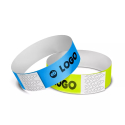
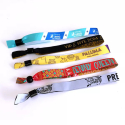
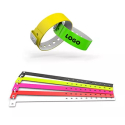
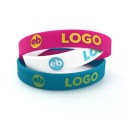
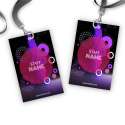
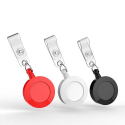
RFID is one option within a much broader family of personalised wristbands for events, where access, payments and branding each play a role.
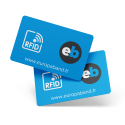
- What an RFID wristband is: a wearable embedded with an RFID chip that communicates wirelessly with a reader over radio frequency, identifying attendees with a single tap at events.
- Transaction speed: a tap typically completes in under two seconds, compared with roughly 15-30 seconds for cash or card payments, reducing queues at busy event points.
- Access control: each wristband is uniquely encoded, allowing instant scans at entry points to verify attendees and limit ticket fraud across the event.
- Cashless payment: the wristband is linked to a stored balance or payment credentials, processing payments both online and offline depending on network availability.
- Real-time data: connected dashboards track attendees, foot-flow and sales as they happen, giving organizers live visibility into event activity.
- System models: two main configurations exist — closed-loop systems using a prepaid balance within the event, and open-loop systems linked directly to external payment cards.
- What you will learn: this guide explains how the technology actually works and the practical benefits of RFID wristbands for managing access control and cashless payments at events.
What Is an RFID Wristband System for Events?
An RFID wristband system is a contactless identification setup where a tiny chip embedded in each wristband communicates with readers via radio waves. At events, these wristbands hold attendee credentials, link to payment accounts and grant zone access, replacing paper tickets, lanyards and cash with a single wearable device. RFID technology is just one branch of the wider world of personalised wristbands for events, where access control, branding and attendee experience all come together.
How RFID technology works at events
Each wristband contains a passive chip that stores a unique identifier. When an attendee taps a reader, the antenna powers the chip and exchanges data in a fraction of a second. High-frequency RFID tags operating at 13.56 MHz are the standard for event payments. That frequency offers the short read range needed for secure taps at gates and bars. If you want the full picture, the technical layers behind this exchange are covered in our breakdown of how RFID wristbands work for event planners.
Closed-loop vs. open-loop systems
Closed-loop: funds and access rights live only inside the event's own platform. Attendees top up a balance tied to their wristband and spend it on-site. Open-loop: the wristband links to an external bank card or wallet, so payments clear through standard networks. Most festivals choose closed-loop because it keeps data, refunds and reporting under the organizer's control.
The hardware layer: wristbands, readers and network
A working deployment relies on a few connected components:
- RFID wristbands: the wearable credential carrying the chip and antenna.
- Readers: handheld or fixed devices placed at entrances, bars and merchandise points.
- Network connectivity: Wi-Fi or cellular links that sync transactions to the platform.
- Management software: the dashboard where you configure access zones, balances and reporting.
Together these pieces turn a simple band into a single credential for both access and payments. The sections below detail how that translates into faster gates and smoother cashless spending across your event.
How Do RFID Wristbands Improve Access Control at Events?
RFID wristbands improve access control by replacing paper tickets with encrypted credentials that validate entry in a single tap. RFID wristbands complete entry transactions in under two seconds, far faster than scanning printed tickets. They tighten security, cut fraud at the gate, and let staff manage multiple access tiers from one system.
Instant, contactless entry validation
Each wristband carries a unique encrypted chip linked to an attendee profile. When held near a reader, the system confirms the credential and opens the gate without manual checks. This keeps queues moving during peak arrivals and removes the friction of fumbling for tickets or phones. For an event manager, faster validation means fewer staff at each entry point and a smoother first impression for attendees.
The validation process is straightforward:
- The attendee taps their wristband on a reader at the access point.
- The system checks the encrypted credential against the ticketing database.
- A green signal confirms a valid pass and grants entry; an invalid or duplicate scan is flagged instantly.
- Each scan is logged with a timestamp for security records.
Reducing ticket fraud and counterfeit passes
Paper tickets are easy to photocopy, share, or forge. RFID credentials are tied to one chip and one attendee, so a wristband cannot be duplicated or reused once scanned. The system detects repeated scans of the same credential and blocks counterfeit passes before they reach the venue floor. This protects revenue and keeps capacity figures accurate, which matters for both safety compliance and budgeting.
Zone and tiered-access management (VIP, backstage, staff)
One wristband can hold several access permissions, letting you control who enters which area without issuing separate passes. Programmed zones make crowd flow and security predictable across the whole site. Our breakdown of RFID wristbands for access control zones shows how to structure these permissions in detail.
- VIP areas: lounges and premium seating reserved for upgraded credentials.
- Backstage: restricted to artists, crew, and authorized production staff.
- Staff zones: operations rooms and storage limited to your team.
- General admission: open to standard attendees while keeping restricted areas sealed.
How Does Cashless Payment Management Work With RFID Wristbands?
RFID wristbands turn each attendee credential into a digital wallet. The chip links to a prepaid balance or a saved payment method, so a single tap settles every purchase at bars, food stalls, and merchandise points. RFID wristbands complete transactions in under two seconds, compared with 15-30 seconds for traditional cash or card methods.
Linking wristbands to a balance or payment card
Before or during the event, each attendee connects their wristband to a stored balance or a saved card. Top-ups happen at on-site kiosks, at staffed counters, or through a web portal where guests reload funds from their phone. The 13.56 MHz high-frequency chip holds the credential that ties every tap back to that account. When mapping out the registration flow and reload points, our walkthrough on setting up cashless payments at events covers the steps in detail. Auto top-up options let attendees keep spending without queuing, which protects revenue across long sessions.
Tap-to-pay speed vs. cash and card
Speed at the point of sale decides how much revenue you capture per hour. A two-second tap clears lines far faster than counting change or waiting for a chip-and-PIN prompt. With cash now accounting for just 16% of all U.S. transactions, attendees already expect contactless payment as the default.
| Payment method | Transaction time |
|---|---|
| RFID wristband tap | Under 2 seconds |
| Contactless card / NFC | 5-10 seconds |
| Chip and PIN card | 15-25 seconds |
| Cash | 20-40 seconds |
Online and offline transaction processing
A reliable system records every transaction whether or not the reader has connectivity. In online mode, balances sync in real time across all points of sale. In offline mode, terminals store each tap locally on the chip and the device, then reconcile with the central database once the connection returns. This dual approach keeps bars and stalls running during network drops, prevents lost sales, and gives you a single reconciled ledger of all attendee spending after the event closes.
What Benefits Do RFID Wristbands Bring to Event Organizers?
RFID wristbands deliver a measurable return for organizers by lifting per-attendee spending, cutting reconciliation work, reducing single-use waste, and smoothing the on-site experience. The same credential that controls access also drives faster sales, giving you one connected solution rather than several disconnected tools.
Higher per-attendee spending and revenue lift
Speed at the point of sale is the clearest revenue driver. RFID wristbands complete transactions in under two seconds, against 15 to 30 seconds for traditional cash or card methods. Shorter queues mean attendees buy more drinks, food, and merchandise across the day. When paying takes a tap, spontaneous purchases that cash friction would have killed go through, and your bar and vendor lines convert far more sales per hour.
Operational savings and reconciliation
Every tap is logged automatically, so end-of-night reconciliation no longer depends on manual cash counts or matching paper receipts. Vendor settlements, stock checks, and revenue reports pull from the same transaction record, which removes hours of admin and the errors that come with handling cash. Fewer staff are needed at entry points and bars, and security gains a precise audit trail. Budgeting depends on event scale, and our RFID wristbands cost breakdown for organizers sets out what to plan for.
Reusable, eco-friendly wristbands and waste reduction
Many RFID wristbands are reusable across multiple editions, so the same stock can be reprogrammed for the next event instead of printing fresh paper tickets each time. This cuts material waste and supports the sustainability commitments many organizers now report on. The benefits at a glance:
- Reusable chips reprogrammed between events lower recurring procurement costs.
- Less single-use paper and plastic across registration and entry.
- One credential replaces separate tickets, vouchers, and payment cards.
- Cleaner data trail for post-event sustainability and revenue reporting.
Enhancing the attendee experience
For attendees, the wristband removes the friction that sours an event day: no fumbling for cash, no lost tickets, no long queues at the gate or bar. A smoother arrival and faster service translate into better satisfaction scores and stronger repeat attendance, which protects your future revenue as much as on-site sales do.
How Does Real-Time Data From RFID Wristbands Change Event Operations?
Real-time data turns each wristband tap into a usable signal, giving organizers a live view of who is on site, where crowds gather, and what attendees are buying. RFID technology lets event teams monitor entry counts, zone density, and sales as they happen, instead of waiting for end-of-day reports.
Live dashboards and attendee flow
A connected dashboard pulls every scan across the network into one screen. You see how many attendees are inside, which gates are congested, and how density shifts hour by hour. If a zone fills up, you redirect staff or open an extra entrance before a bottleneck forms. The data lets you act during the event, not after.
Inventory and merch insights
Each cashless transaction feeds back into stock tracking, so you know what sells and what stalls. The system can flag low inventory at a merch stand or a busy bar before it runs dry. The types of data typically collected include:
- Live entry and exit counts per access point
- Zone occupancy and attendee movement patterns
- Merch and food sales volume by item and stand
- Top-up activity and average spend per wristband
- Peak transaction times across the event
Post-event reporting
Once the event closes, the same data becomes a full report. You compare attendance against capacity, review which products performed, and see how spending spread across zones and hours. These figures help you plan staffing, stock, and layout for future events with evidence rather than guesswork. Post-event RFID reports give organizers a verifiable record of attendance, sales, and movement for planning the next event.
Customizing RFID Wristbands as a Branded Event Solution
Custom RFID wristbands let you turn a functional access tool into a branded keepsake that carries your event identity from the gate to the after-party. A custom RFID wristband combines access control, cashless payment, and your visual branding in a single wearable item. The right specification depends on your audience and how long the band must last.
Custom designs, materials and branding
Material choice shapes both look and durability. Fabric bands suit multi-day festivals, silicone fits sports and corporate days, and vinyl works for short single-entry events. When you plan the print, treat the wristband as one of your event products rather than a throwaway pass. Common personalization options include:
- Logo and sponsor printing in full color
- Custom band colors matched to your brand palette
- Sequential numbering or QR codes per attendee
- Tier markings for VIP, staff, and general access
You can review the full range of finishes and personalization choices through our guide to custom RFID wristbands branding options before you confirm your order.
Sustainable and reusable options
Reusable RFID bands cut waste across recurring events: you collect, sanitize, and reissue them for the next date. Eco-conscious materials such as recycled fabric or biodegradable closures help you meet sustainability targets that many sponsors and venues now expect. A reusable solution also lowers your per-event cost once the hardware is in place.
Sourcing, labels and packaging logistics
Plan sourcing early, since custom printing and chip encoding add lead time beyond plain stock. Coordinate labels, individual packaging, and pre-grouped batches by access tier so your accreditation team distributes bands without sorting on site. Clear packaging and labeling keep large-volume distribution fast at check-in. Confirm encoding, quantities, and delivery dates with your supplier in writing to avoid last-minute gaps before doors open.
What to Ask Before Choosing an RFID Wristband Provider
Choosing the right provider comes down to a handful of pointed questions about offline reliability, security, integration, and support. The best RFID wristband providers guarantee offline transaction processing, encrypted data, and tested integration with your existing ticketing and payment systems. Use the checklist below before signing anything.
- Does the system work offline? Connectivity drops at busy events. Confirm the solution stores taps locally and syncs once the network returns, so payments and access never stall.
- How is attendee data secured? Ask about encryption, the operating frequency, and data ownership. Standard event payment tags run at 13.56 MHz, and your provider should explain exactly how cardholder and personal data is protected.
- Will it integrate with our existing tools? A good system connects to your ticketing platform, point-of-sale, and CRM without manual exports. Request proof of past integrations.
- What on-site support is included? Find out whether technicians attend the event, how fast issues are resolved, and what the escalation path looks like during peak hours.
- How fast are transactions? Speed at the bar and gate shapes the attendee experience. Reliable RFID technology completes a tap in under two seconds, which keeps queues moving.
- What does pricing actually cover? Costs vary widely: smaller events might invest $3,000 to $10,000, while large multi-day festivals can spend $50,000 to $200,000 or more. Ask what hardware, wristbands, and staffing are bundled into the quote.
- Can the wristbands and products be branded? If branding matters to you, confirm customization options and lead times before committing.
A provider who answers these clearly, with evidence rather than promises, is one you can trust with your event. Vague responses on offline mode or security are a signal to keep looking.
Frequently Asked Questions About RFID Wristbands at Events
Below are the questions event managers ask most often before deploying an RFID wristband system. Each answer focuses on practical setup, security, and value so you can decide whether the technology fits your event.
How long does it take to set up an RFID wristband system?
Setup time depends on encoding, distribution logistics, and staff training rather than a fixed schedule. Custom printing and chip encoding add lead time to your order, so confirm quantities and delivery dates with your supplier well before doors open. Pre-grouping bands by access tier speeds on-site distribution considerably.
Can RFID wristbands work without internet access?
Most RFID payment systems support offline mode, storing transactions locally on readers and syncing once connectivity returns. This matters for festivals in remote areas or venues with weak signal. Attendees keep paying and entering gates even when the network drops, which protects revenue during peak congestion.
What happens to money left on a wristband after the event?
Unspent balances are handled through your refund policy, set during configuration. Many organizers offer online refunds linked to the attendee's registration, while others apply a refund window after the event closes. Define and communicate this policy clearly before sales begin to avoid disputes.
Are RFID wristbands secure for payments?
Yes. High-frequency RFID tags operating at 13.56 MHz are the standard for event payments and support encrypted, tokenized transactions. Funds sit on linked accounts rather than the chip itself, so a lost band can be deactivated. RFID wristbands complete transactions in under two seconds, against 20 to 40 seconds for cash.
Are RFID wristbands worth it for smaller events?
They can be. Smaller events might invest $3,000 to $10,000 in an RFID payment system, while large multi-day festivals spend $50,000 to $200,000 or more. With cash now accounting for just 16% of all U.S. transactions, even modest events benefit from faster queues and cleaner data on attendee spending.