 Deutschland
 España
 France
 Italia
 United Kingdom

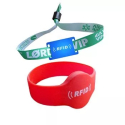
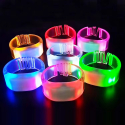
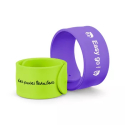
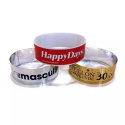






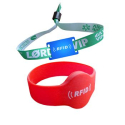
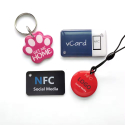
The essentials of custom RFID wristband customization options
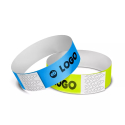
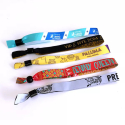
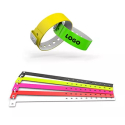
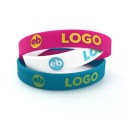
- Material choices: Branded RFID wristbands are available in woven fabric, Tyvek (paper), silicone, plastic, vinyl, and eco-friendly options such as bamboo or cloth, letting organizers choose the format suited to single-day or multi-day events.
- RFID and NFC chips: Compatible chip options include NXP Mifare Classic 1K/4K, NTAG213/215/216, I CODE SLI, and Mifare Ultralight, allowing customization of memory capacity and read/write functions per application.
- Operating frequencies: Wristbands support HF 13.56MHz (NFC) for short-range interactions and UHF for longer-range reading, selected according to the access control or tracking system in use.
- Printing and branding: Custom branding can be applied via full-color printing on fabric, dye sublimation, and woven printing, enabling logos, text, sponsor artwork, and unique designs on each wristband.
- Closure and locking: Closure options include adjustable fittings and barrel-lock mechanisms that secure the wristband and prevent transfer or reuse during an event.
- Logo and data encoding: Each RFID wristband can be encoded with logo data and individualized information, linking the chip to attendee profiles, ticket types, or access permissions.
- Event applications: Customized RFID wristbands are used for access control, cashless payment, attendee identification, and crowd management across festivals, conferences, and venues.
- System integration: The chip type and frequency selected determine compatibility with reader hardware and event systems, so organizers choose specifications based on their intended use case.
Les matériaux disponibles pour vos bracelets RFID
Branded RFID wristbands come in five main material families: woven fabric, Tyvek paper, silicone, plastic or vinyl, and eco-friendly cloth. Each one matches a different event profile, balancing wear duration, comfort and the image you want to project to attendees.
Bracelets tissés (woven fabric) premium
Woven fabric bands feel closer to a textile accessory than a ticket. They are built using a woven fabric band combined with a PVC RFID tag for reliable scanning, which makes them the go-to choice for multi-day festivals and VIP areas. The fabric holds vivid custom prints, resists sweat and friction, and signals a premium positioning your guests are happy to keep wearing for several days.
Bracelets Tyvek papier haute volume
Tyvek is the workhorse for high-volume, single-use access. Custom RFID Tyvek paper wristbands start as low as $0.45, which keeps your unit cost low when you distribute thousands of entries. Lightweight, tear-resistant and fully printable, they suit one-day concerts, trade fairs or seasonal park access where attendees only need the band for a few hours.
Bracelets silicone réutilisables
Silicone bands are made to be worn again. The reference grade here is 50-degree silicone, available in a wide variety of shapes, comfortable enough for repeat use across recurring events or membership programs. They handle water, sunscreen and active crowds without degrading, so sports venues, water parks and loyalty schemes rely on them as durable, reusable carriers for your branding.
Bracelets plastique et vinyle
Plastic and vinyl sit between Tyvek and silicone on durability. Custom RFID plastic wristbands are available as low as $0.45, and vinyl is a recognised material option alongside fabric and woven for event credentials. They stretch over several days, resist water and keep a clean printed surface, making them a balanced pick for week-long festivals or staff identification.
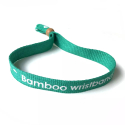
Bracelets éco-responsables (bambou, cloth)
For events with a sustainability commitment, eco-friendly cloth bands reduce the plastic footprint without losing functionality. Custom eco-friendly cloth wristbands with a wood RFID tag are offered as low as $1.26, pairing a soft cloth strap with a natural wood chip housing. This option lets you align your access control with green messaging, a detail that increasingly matters to corporate sponsors and conscious audiences.
The right material depends on how long attendees wear the band, the comfort level you target and the brand image you defend. Exact durability, chip pairing and pricing per project are confirmed on quotation, since they vary with quantity, finish and the RFID technology you select for your event.
RFID Chips and Frequencies: Choosing the Right Technology
Branded RFID wristbands rely on two technical choices: the operating frequency and the chip model. Together, they determine whether your wristband handles access control, cashless payment, or attendee identification. The right combination depends entirely on the reader hardware and event system you plan to deploy.
HF/NFC and UHF Frequencies
Two frequency bands cover most event needs. HF 13.56MHz (NFC) works at short range, ideal for tap interactions like cashless payment or door access where attendees present their wrist deliberately. UHF reads at longer distances, useful for crowd flow and gate scanning when speed matters more than precision.
HF/NFC chips suit close-contact actions such as payment and access control, while UHF supports longer-range reading for high-throughput entry points. Your choice should match the scanning behavior your venue requires.
Chip Models (Mifare, NTAG, I CODE)
The chip model defines memory capacity and read/write functions. Compatible options for branded wristbands include:
- NXP Mifare Classic 1K/4K: widely used for access control and cashless systems, with secure memory sectors.
- NTAG213/215/216: NFC tags offering scalable memory for encoding URLs, profiles, or ticket data.
- I CODE SLI: an HF chip suited to identification and inventory-style tracking.
- Mifare Ultralight: a cost-effective option for single-day or limited-use events.
For hospitality scenarios, suppliers reference chips like Ultralight C or Classic 1k, matched to door-lock requirements. Sharing your chip needs upfront lets the manufacturer align the wristband with your existing infrastructure.
Encoding and System Integration
Each wristband can be encoded so the chip links to attendee profiles, ticket types, or access permissions. The encoding step is what turns a printed band into a functional credential within your platform.
Compatibility is the deciding factor. The frequency and chip you select must work with your reader hardware and event software, since mismatched specifications simply will not communicate. Confirm your system's requirements before production. Exact chip configurations, encoding schemes, and integration details are established per project, based on the access control or payment system you intend to run.
Logo Printing and Marking Options for Your Wristbands
Branded RFID wristbands can carry your logo through several techniques: full-color printing, dye sublimation, woven marking, sequential numbering and holographic finishes. Custom RFID wristbands made of high-quality elastic material can be fully customized with your chosen prints on both sides. Each method serves a specific branding need depending on the wristband material and event context.
Full-color printing and sublimation
Full-color printing applies logos, sponsor artwork and text directly onto plastic, vinyl and Tyvek bands. Dye sublimation works best on woven fabric, where the ink bonds into the fibers for sharp, fade-resistant visuals. This approach suits multi-day festivals where the wristband doubles as a wearable brand asset, similar to printed badges.
- Full-color printing: ideal for PVC, plastic and Tyvek surfaces with detailed gradients
- Dye sublimation: applied on woven fabric for durable, high-resolution color
- Double-sided printing: available on elastic wristbands, customizable on both sides
Woven marking and sequential numbering
Woven marking stitches your brand name and patterns directly into the fabric, giving a premium textile finish that resists wear across the whole event. For control and traceability, organizers can add sequential numbering, names, QR codes or barcodes to individualize each band.
Personalization options for custom wristbands include names, QR codes and barcodes. Sequential numbering links every wristband to a specific attendee profile, ticket type or access permission, which simplifies on-site verification and crowd management.
Holographic finishes and visual security
Holographic finishes add a visual security layer that deters counterfeiting and unauthorized resale. Combined with locking closures, they make duplication visibly difficult at access points, protecting both your brand and your gate revenue.
- Holographic accents: hard-to-replicate visual marker for authenticity
- Custom artwork: brand colors and sponsor logos integrated into the design
- Tamper-evident design: visual cues that reveal reuse attempts
Choosing the right combination of these marking methods ensures your wristbands stay legible, secure and consistently on-brand from the first scan to the closing gate.
Customizable Closures, Sizes and Shapes
Branded RFID wristbands offer several closure systems and form factors so you can match the band to your audience and event duration. Closure options include adjustable fittings and barrel-lock mechanisms that secure the wristband and prevent transfer or reuse during an event.
Closure and Locking Systems
The closure you select determines whether a wristband stays on a single attendee or can be passed around. For multi-day festivals where access control matters, a tamper-evident lock is the safer choice. For low-commitment promotions or short activations, simpler fittings keep production costs down.
- Barrel-lock closures : a one-way mechanism that tightens onto the wrist and cannot be reopened without damaging the band, ideal for fraud prevention.
- Adjustable fittings : repositionable closures suited to reusable wristbands and staff credentials.
- Tamper-evident designs : closures that show visible signs of removal, supporting secure access control across event zones.
Sizes and Shapes for Your Audience
Sizing depends on who wears the band. Adult, youth and child fits prevent slippage, while material drives the available shapes. RFID silicone wristbands are made from 50-degree silicone and available in a wide variety of shapes. Elastic versions use high-quality elastic material, fully customizable with your chosen prints on both sides, which gives you room to vary width and stretch.
For each custom RFID wristband, the chip placement and tag format also influence the final shape. A woven fabric band combined with a PVC RFID tag, for instance, sits flat against the wrist and reads reliably at entry points. Match these choices to your event profile rather than ordering a one-size format for every use case.
Event Applications of Custom RFID Wristbands
Branded RFID wristbands serve four core functions at events: access control, cashless payment, attendee identification, and crowd management. The same wristband handles gate scanning, on-site purchases, and zone permissions, which is why a single RFID wristband can combine ticketing, payment, and access rights for an entire event.
Access Control and Identification
At entry points, RFID wristbands replace paper tickets and badge checks. A quick scan validates the holder against your event system, while encoded chip data ties each band to a ticket type or attendee profile. For festivals running multiple days, the band stays on the wrist and keeps verifying access without re-issuing credentials. This same encoding supports staff identification, vendor badges, and re-entry verification.
Cashless Payment and Ticketing
Loaded with a balance, RFID wristbands let attendees pay at bars, food stalls, and merchandise stands by tapping the band on a reader. Cashless payment via RFID wristbands removes the need for attendees to carry cash or cards on-site. The same chip that controls access also links to the ticketing record, so you manage entry and spending from one credential. This reduces queue times and cuts handling of physical money.
VIP Access and Restricted Zones
Permission levels written to each chip define who reaches backstage areas, VIP lounges, or reserved sections. Readers at zone boundaries grant or deny passage based on the band's encoded rights.
- Festivals: multi-day access, cashless bars, and tiered camping or VIP zones on one band.
- Conferences: attendee identification, session check-in, and exhibitor area access.
- Venues and clubs: entry control, age-verified zones, and tab management.
- Corporate events: staff versus guest differentiation and restricted meeting rooms.
Matching the chip type and frequency to your reader hardware keeps these applications reliable across the full duration of the event.
Choosing the Right RFID Wristband for Your Event Type
The best RFID wristband depends on your event format and duration. Tyvek paper and plastic models suit short, single-entry events, while silicone, elastic, and woven fabric bands handle multi-day or premium use. Each material is offered in custom branding, with chip and frequency selected according to your access control system.
Multi-Day Festivals
For festivals running across several days, durable materials make the difference. Elastic and silicone wristbands withstand repeated wear and stay comfortable on attendees over long periods. Custom RFID Elastic Wristbands start as low as $0.86 USD and are fully customizable with your chosen prints on both sides, which works well when you need cashless payment and re-entry on the same band. Woven fabric bands combined with a PVC RFID tag also provide reliable scanning for high-traffic gates.
Conferences and Exhibitions
Conferences and exhibitions usually need clean branding and accurate attendee identification rather than heavy-duty durability. Custom RFID Tyvek Paper Wristbands and Custom RFID Plastic Wristbands, both as low as $0.45 USD, are practical for single-day or short-run badging. The PVC tag version (as low as $0.59 USD) gives you a sturdier option for exhibitor zones and session tracking where wristbands are worn for the full event day.
VIP Events and Hospitality
For VIP areas and hotel or resort settings, the wristband should feel premium and integrate with room or door systems. Custom Eco-Friendly Cloth Wristbands with a Wood RFID Tag, from $1.26 USD, deliver a refined look for high-end guests. In hospitality, chip choices such as Ultralight C or Classic 1k align with door lock requirements, so guests use one band for access and on-site spending.
Specific recommendations on chip type, frequency, and finishing for your particular event are confirmed on a quote basis, since the right combination depends on your venue layout, reader hardware, and the systems you already run.
From brief to production: the ordering process
Ordering branded RFID wristbands follows a structured path: you define your specifications and design, validate a physical sample, then move into encoded mass production. Some suppliers fulfill customized orders within just 5 days.
Defining your needs and your design
Everything starts with a clear brief. You specify the material, the chip type, the operating frequency, and the artwork you want printed on the band. As the event manager, you confirm the key parameters that govern compatibility with your access control and cashless systems, then share your logo files, sponsor placements, and any color references.
- Specify materials and chips: Choose between Tyvek paper, plastic, elastic, woven fabric, or eco-friendly cloth, and select the RFID or NFC chip suited to your use case.
- Submit your artwork: Provide logos, text, and sponsor designs for full-color or woven printing on one or both sides.
- Confirm quantities and closures: Define order volume, sizing, and the closure mechanism your event requires.
Sample validation
Before any large run, you receive a physical sample reproducing the chosen material, print, and chip configuration. This step lets you check the print quality, the closure, and the read behavior against your reader hardware. You sign off on the sample once the band matches your brief, which protects the entire batch from costly errors.
Production and encoding
Once the sample is approved, the supplier launches mass production. Each wristband is printed, assembled, and then encoded so that its chip carries the data your event systems expect: ticket types, access permissions, or attendee profiles.
Pricing scales with the format. Custom RFID Tyvek paper and plastic wristbands start as low as $0.45 USD, elastic wristbands from $0.86 USD, and eco-friendly cloth wristbands with a wood RFID tag from $1.26 USD. Encoding links each chip to your control system before the wristbands ship.
Frequently asked questions about RFID wristband customization
Branded RFID wristbands can be customized across materials, chips, printing, closures, and encoded data. Most questions from event managers revolve around branding, chip compatibility, eco-friendly formats, multi-day durability, and what information the tag can actually hold. Here are direct answers to the points that come up most often.
Can I add a logo or custom artwork?
Yes. Custom RFID wristbands can be fully personalized with your chosen prints on both sides, using full-color printing, dye sublimation, or woven techniques. You can apply logos, sponsor artwork, names, QR codes, and barcodes depending on the material selected.
Which RFID chips are available?
Compatible options include NXP Mifare Classic 1K/4K, NTAG213/215/216, ICODE SLI, and Mifare Ultralight. For hotel and access scenarios, common choices are Ultralight C or Classic 1k. Operating frequencies cover HF 13.56MHz (NFC) for short-range and UHF for longer-range reading.
Are eco-friendly wristbands genuinely sustainable?
Eco-friendly options use cloth or bamboo bands paired with a wood RFID tag. The Custom Eco-Friendly Cloth Wristbands with Wood RFID Tag start as low as $1.26. They reduce plastic content compared to standard PVC bands, though specific composting claims should be confirmed with your supplier before promoting them to attendees.
Which wristband suits a 3-day festival?
For multi-day events, durable woven fabric or silicone bands hold up best. Silicone wristbands are made from 50-degree silicone and available in a wide variety of shapes, while a woven fabric band combined with a PVC RFID tag offers reliable scanning across the full event. Barrel-lock closures prevent transfer between attendees.
Can specific data be encoded on the chip?
Yes. Each chip can be encoded with individualized information linking it to attendee profiles, ticket types, or access permissions. This supports cashless payment, access control, and attendee identification. The memory capacity you need determines the chip model, so share your use case when ordering.